Luxury Aluminum Deck Railing USA: High-End Architectural Guide
Evaluating high-end residential outdoor guardrail systems across distinct American climatic zones requires balancing material metallurgy, structural deflection limits, spatial aesthetics, and regional building code mandates. Modern deck design has shifted away from heavy wooden balusters toward precision-engineered extruded aluminum systems. Luxury Aluminum Deck Railing USA. Specifying a premium outdoor railing demands a clear understanding of alloy temper, powder-coat pre-treatment processes, framing attachment mechanics, and environmental salt exposure dynamics.
Achieving long-term durability across coastal and alpine microclimates requires moving past surface aesthetics to analyze structural connections and thermal movement dynamics. Dynamic lateral wind pressures, marine humidity, severe freeze-thaw cycles, and framing movement exert continuous physical stress on perimeter posts and infill rails. When materials are selected without accounting for environmental exposure, structural components degrade rapidly, resulting in loose post bases, surface finish blistering, and costly code compliance failures.
Selecting architectural guardrail assemblies involves evaluating marine-grade alloys, concealed mechanical fasteners, multi-layer powder finishes, and integrated glass or cable infills. Understanding how structural sub-framing interacts with aluminum extrusions enables architects and luxury builders to install barrier systems that maintain mechanical strength while elevating residential architecture.
Understanding “luxury aluminum deck railing usa”
Metallurgy and Architectural Extrusion Engineering
Evaluating luxury aluminum deck railing usa requires analyzing structural alloy selection, extrusion wall thickness, and multi-stage surface coatings rather than relying on basic visual appearance. High-end systems utilize 6005-T5 or 6063-T6 architectural aluminum alloys engineered to provide high tensile strength and structural rigidity.
When builders install thin-walled, commercial-grade aluminum extrusions, excessive post deflection occurs under wind loads, causing structural wobbling along perimeter runs. Specifying thick-walled extrusions and heavy internal steel core inserts prevents frame deflection while maintaining clean, minimalist architectural sightlines.
Multi-Stage Powder Coating and Surface Protection
Premium architectural aluminum systems undergo rigorous surface pretreatment steps, including acid etching, zirconium rinsing, and electrostatically applied fluoropolymer powder coatings. High-performance coatings meet AAMA 2604 or AAMA 2605 specifications, resisting severe UV radiation, chalking, and salt air corrosion.
Inferior powder-coat applications lack adequate chromate-free pretreatment, allowing underlying aluminum to oxidize when exposed to coastal humidity. Moisture trapped under thin powder coatings causes widespread paint blistering, peeling, and premature surface failure within short ownership periods.
Code Compliance and Concentrated Load Dynamics
Residential building codes across American jurisdictions enforce strict structural safety mandates, requiring top handrails to resist a 200-pound concentrated force applied in any direction. Furthermore, infill panels must withstand a 50-pound horizontal force applied over a one-square-foot area while keeping openings under four inches.
Achieving compliance along elevated luxury decks demands precise post anchor depth, solid timber blocking, and engineered stainless steel fasteners. Installing concealed structural backing plates ensures perimeter support posts remain rigid without flexing under heavy lateral loads.
Evolution of High-End Outdoor Barrier Architecture
Historical Reliance on Heavy Timber and Iron
Historically, high-end American deck railings were constructed using thick dimensional hardwoods, such as Ipe, teak, and western red cedar, or heavy wrought iron. Artisans hand-crafted perimeter barriers on site, securing heavy wood or metal pickets to thick framing rails using exposed lag bolts.
While these traditional systems provided massive structural presence, heavy wood pickets completely obstructed panoramic landscape views and required continuous staining or painting. Wrought iron provided structural strength, but proved exceptionally vulnerable to rust in humid coastal environments.
The Emergence of Prefabricated Commercial Aluminum
During the late twentieth century, building material manufacturers introduced off-the-shelf prefabricated aluminum picket kits to replace traditional wood railings. These early aluminum systems offered low-maintenance benefits and faster installation times across suburban residential developments.
However, early commercial aluminum railings featured thin hollow posts, exposed assembly screws, and low-grade surface paint that faded under UV sunlight. Additionally, light commercial profiles flexed visibly under lateral loads, failing to deliver the solid, heavy feel expected on luxury properties.
Modern Engineered Architectural Aluminum Systems
Contemporary luxury guardrail design utilizes thick-walled extruded 6063-T6 aluminum alloys, hidden mechanical connection locks, and integrated architectural lighting channels. Custom manufacturing delivers precision modular railing components directly to job sites, eliminating crude field welds and messy cuts.
Seamless glass-infill tracks, ultra-slim cable posts, and textured architectural powder finishes define the current era of high-end deck architecture. Modern aluminum railing specification requires evaluating alloy metallurgy, structural load paths, and long-term environmental durability.
Structural Mechanics, Load Vectors, and Material Physics
Rotational Torque and Joist Attachment Leverage
Applying outward force along top handrails creates rotational torque that concentrates extreme leverage stress directly at lower post mounting plates.
A 200-pound lateral push against a 36-inch high post generates 600 foot-pounds of leverage torque where the post mounts to deck joists.
Solid double rim joists and structural steel backing plates are necessary to transfer this leverage safely into primary floor framing.
Thermal Expansion Coefficients and Joint Movement
Temperature shifts cause aluminum, glass, and stainless steel railing components to expand and contract at different rates across seasons.
Extruded aluminum rails expand significantly along long straight runs, requiring expansion joints at post connections to avoid rail bowing.
Installing slotted mounting brackets and neoprene isolation pads accommodates thermal movement without compromising overall frame tightness.
Galvanic Corrosion Isolation Mechanics
Joining dissimilar metals in humid outdoor environments creates galvanic corrosion cells that degrade structural mounting fasteners over time.
Placing raw carbon steel screws directly against aluminum post bases accelerates metal oxidation along internal fastener threads under moisture exposure.
Utilizing 316-grade stainless steel screws fitted with neoprene isolation washers prevents galvanic reactions and protects post mounting holes.
Primary Architectural Aluminum System Categories
Architectural Aluminum Cable Railing Systems
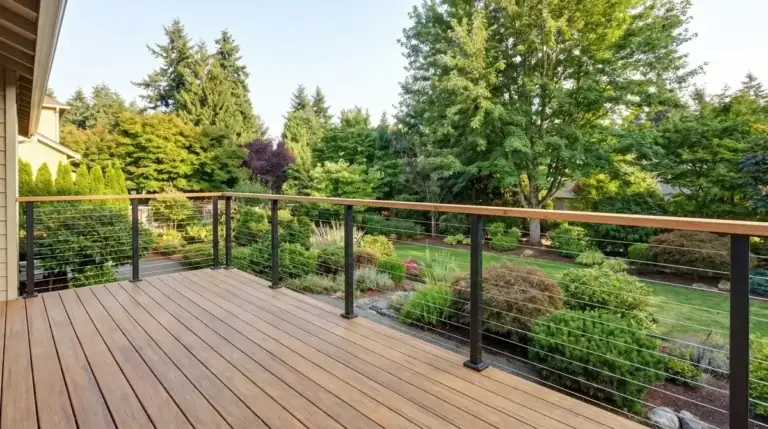
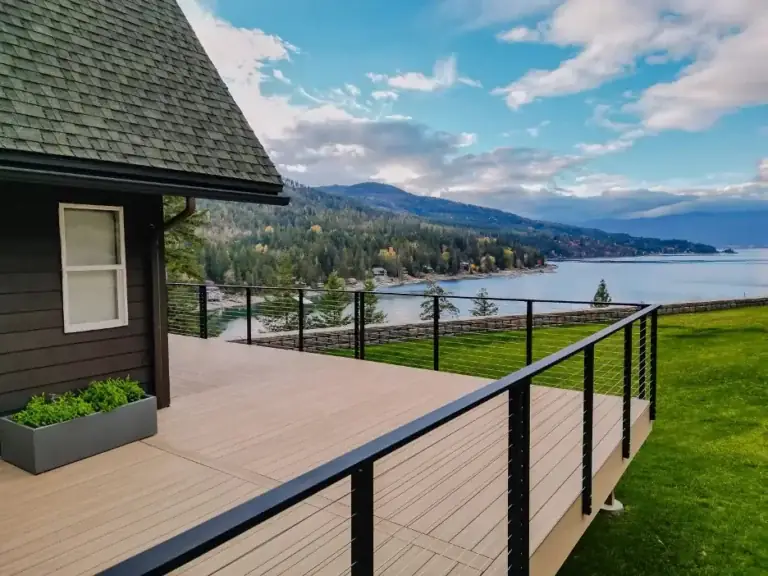
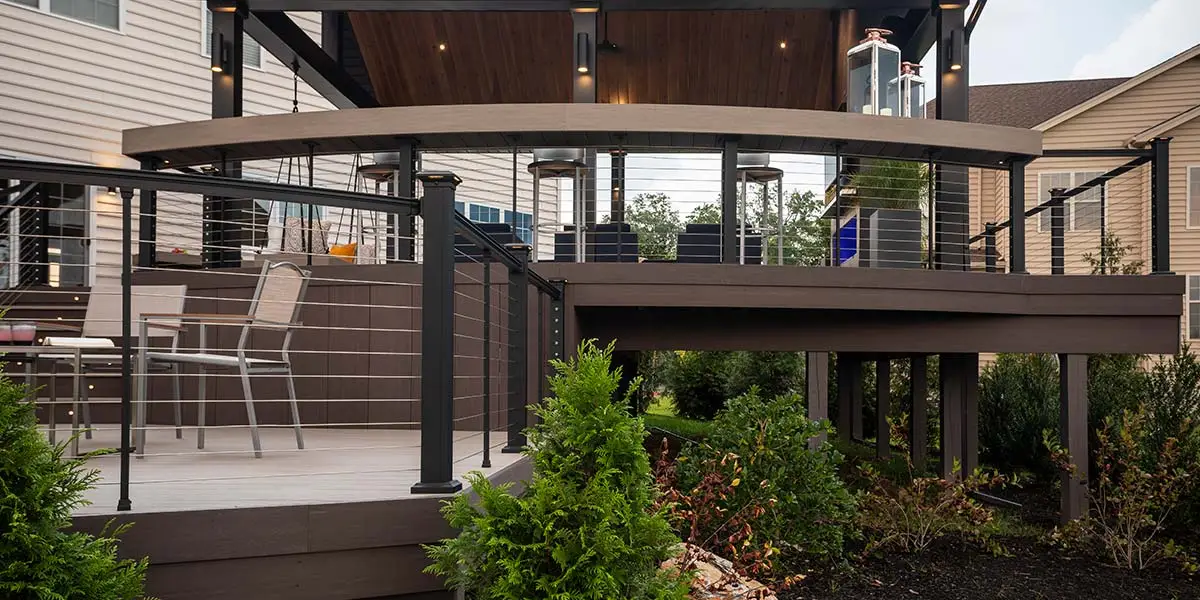
Precision-engineered aluminum cable railings feature ultra-slim intermediate posts paired with 316 marine-grade stainless steel horizontal wire rope. These high-end systems offer exceptional sightline transparency, making them ideal choices for lakefront estates, mountain retreats, and coastal terraces.
Horizontal cable runs exert continuous inward pull on end posts, requiring heavy internal steel core tubes and thick structural mounting plates. When properly tensioned, cable systems deliver high structural rigidity with minimal visual interference across expansive outdoor views.
Glass-Infill Architectural Aluminum Frame Systems
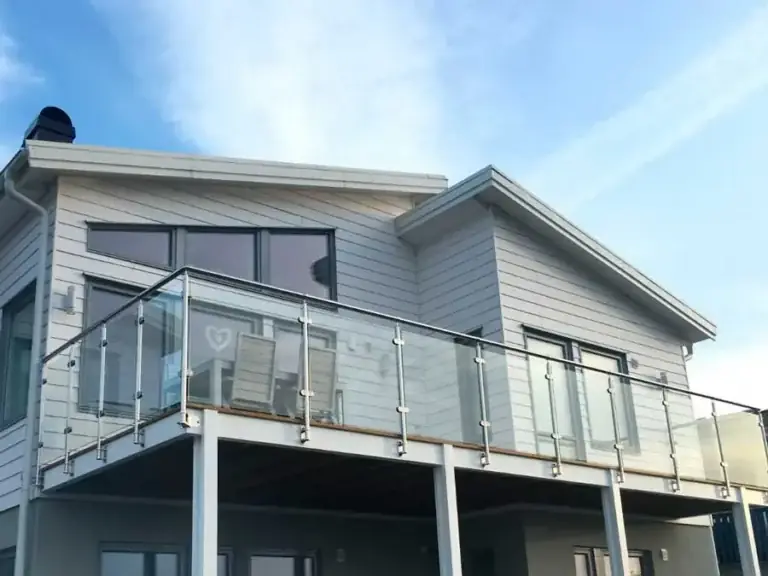
Glass-infill aluminum systems utilize thick 3/8-inch or 1/2-inch tempered safety glass panels set inside continuous extruded aluminum shoe channels or clamps. Options range from fully frameless base shoe profiles to minimalist post-supported systems topped with continuous aluminum cap handrails.
Glass panels block chilly prevailing winds on elevated oceanfront terraces, extending outdoor deck usability into cooler evening hours. However, glass panels require regular cleaning to remove water spots, finger marks, and salt residue.
Full-Panel Extruded Horizontal Bar Systems
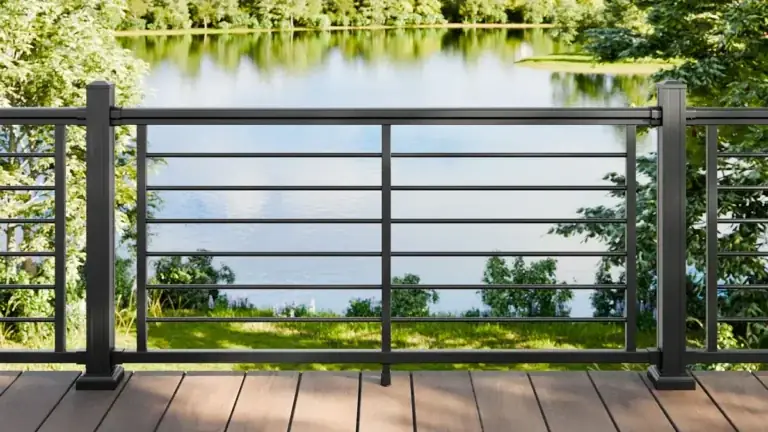
Modern horizontal bar systems feature thick-walled extruded aluminum bars running parallel to top handrails, creating a clean, structured appearance. These systems offer higher visual presence than thin cables while maintaining modern architectural symmetry across contemporary home facades.
Aluminum horizontal bars require no tensioning maintenance over time, eliminating the retightening procedures associated with wire cable systems. High-tier powder coatings protect horizontal bar runs from dust, UV degradation, and coastal salt spray oxidation.
Architectural Aluminum System Category Profile Comparison
| System Infill Category | Visual Transparency | Structural Rigidity | Coastal Salt Resistance | Maintenance Effort | Average Lifespan |
| 316 Stainless Cable + Aluminum | High | Very High | High | Low | 25 to 30+ Years |
| Tempered Glass + Aluminum Shoe | Exceptional | Exceptional | Exceptional | Moderate | 30+ Years |
| Horizontal Aluminum Bar | Moderate | High | High | Low | 25 to 30+ Years |
| Vertical Architectural Picket | Moderate | High | High | Low | 20 to 25 Years |
Decision Logic for System Selection
Selecting appropriate guardrail configurations requires evaluating regional environmental exposure, structural sub-framing, and maintenance preferences.
High-Wind Coastal Estates
-
Specify frameless 1/2-inch laminated tempered glass mounted inside heavy-walled extruded aluminum base shoe channels anchored to joists.
-
Utilize 316-grade stainless steel or anodized aluminum cap rails to protect glass edges from impact while providing hand grips.
-
Verify base shoe drainage weep holes remain clear to prevent trapped saltwater from degrading internal glass interlayers over time.
Alpine Estates with Heavy Snow Accumulation
-
Install heavy-wall extruded aluminum posts reinforced with internal structural steel core tubes.
-
Choose horizontal stainless steel cables or solid aluminum bars to allow heavy drifting snow to pass through without loading panels.
-
Apply marine-grade anti-seize lubricant to all threaded mechanical fasteners during assembly to prevent thread galling under cold weather.
Suburban Contemporary Residence
-
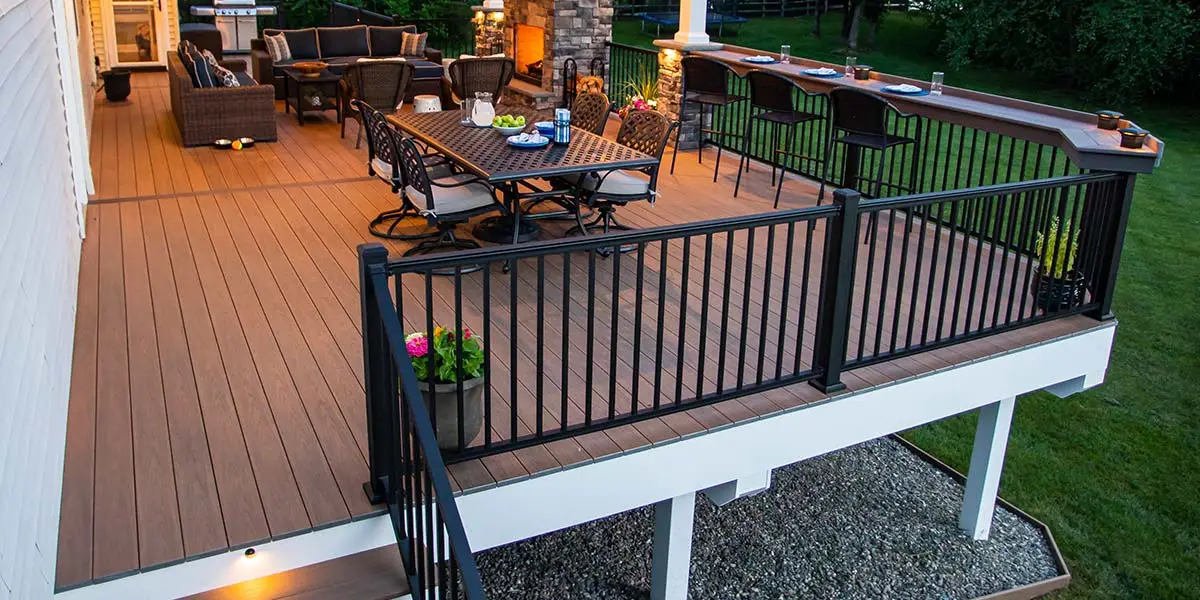
Select pre-engineered powder-coated aluminum post kits featuring hidden bracket channels and horizontal bar infills.
-
Through-bolt all support posts directly to double rim joists backed by solid 2×10 structural timber blocking.
-
Use 316-grade stainless steel mounting bolts fitted with neoprene isolation washers to prevent galvanic corrosion in treated lumber.
Detailed Real-World Scenarios and Environmental Adaptation Luxury Aluminum Deck Railing USA
Scenario 1: Oceanfront Residence in Malibu, California
A luxury oceanfront home in Malibu features a wide elevated deck exposed to constant marine humidity, direct salt spray, and strong coastal winds. Standard commercial aluminum railings on neighboring properties show severe powder-coat peeling and white aluminum oxidation within three years.
The architect specifies a custom luxury aluminum deck railing usa system featuring AAMA 2605 fluoropolymer coated posts and 1/2-inch laminated glass panels. The high-performance coating resists salt spray degradation, while laminated glass panels remain structurally intact even if windborne debris fractures an outer glass layer.
Scenario 2: High-Altitude Alpine Retreat in Aspen, Colorado
A modern mountain home in Aspen features a second-story entertainment deck subjected to sub-zero winter temperatures, severe thermal shifts, and 80-pound snow loads. Previous timber railings split and rotted under melting snowpacks, causing structural post looseness along outer rim joists.
The contractor installs an engineered aluminum cable system fitted with internal steel post cores, slotted expansion joints, and spring-loaded cable tensioners. Thermal expansion sleeves accommodate temperature shifts, while internal steel cores withstand heavy snowpack pressure without post deflection.
Scenario 3: Waterfront Estate in Miami, Florida
A coastal residence in Miami requires a modern perimeter guardrail compliant with High-Velocity Hurricane Zone building codes. The railing system must withstand extreme wind pressure loads exceeding 65 pounds per square foot without structural detachment or post bending.
The engineer specifies heavy-walled 6063-T6 aluminum square posts anchored through deck framing into concrete core piers using 5/8-inch stainless bolts. Solid 1/2-inch monolithic tempered glass panels set inside continuous deep aluminum channel tracks satisfy hurricane wind safety standards.
Scenario 4: Desert Southwestern Estate in Scottsdale, Arizona
A luxury home in Scottsdale features an expansive outdoor terrace exposed to intense UV radiation and extreme summer heat exceeding 115 degrees Fahrenheit. Standard dark vinyl and low-cost painted metal railing components on neighboring properties warp, fade, and chalk rapidly.
The builder installs dark bronze anodized aluminum posts paired with horizontal stainless steel bars. Anodized surface finishes fuse electrochemically with aluminum metal, preventing UV chalking, peeling, or color fading across decades of desert sun exposure.
Financial Accounting, Material Costs, and Value Engineering
Component Expenses and Material Quality
Direct costs for premium aluminum guardrails include heavy-walled extruded posts, infill panels, concealed mounting plates, cap handrails, and stainless steel fasteners. High-grade materials like AAMA 2605 coated aluminum and laminated glass carry higher initial prices, but offer extended service lives.
Ordering factory-fabricated modular post kits lowers job-site cutting labor, offsetting higher initial material component investments. Purchasing low-cost off-the-shelf commercial systems often leads to early maintenance expenses, making premium architectural systems more economical over long ownership periods.
Precision Field Assembly and Skilled Labor Costs
Installing luxury architectural railings requires skilled finish carpenters or glazier crews experienced with structural tensioning and precision leveling. Setting heavy structural glass panels or running hydraulic cable swaging tools demands careful installation workflows.
Working on high elevated terraces or irregular multi-angle deck perimeters increases labor hours and safety rigging needs. Investing in pre-engineered modular systems streamlines field assembly, lowering overall installation labor budgets.
Estimated Luxury Aluminum Deck Railing Financial Metrics (Per Linear Foot)
| Guardrail System Classification | Material Cost / Foot | Labor Cost / Foot | 10-Year Maintenance | Estimated Total 20-Year Cost |
| Powder-Coated Aluminum Pickets | $55 to $85 | $30 to $50 | $100 to $200 | $95 to $145 / Foot |
| 316 Stainless Cable + Aluminum | $95 to $165 | $50 to $90 | $150 to $300 | $155 to $270 / Foot |
| Glass Panel + Aluminum Clamps | $135 to $240 | $70 to $120 | $300 to $500 | $220 to $380 / Foot |
| Frameless Base Shoe Glass | $240 to $400 | $120 to $190 | $400 to $700 | $380 to $630 / Foot |
Specialized Tools, Fasteners, and Job-Site Systems
Specialized Job-Site Installation Equipment
Equipping installation crews with specialized tools ensures accurate post placement, precise hardware tensioning, and secure component anchoring.
-
Hydraulic Cable Swaging Presses: Compress stainless steel end fittings onto wire rope cables under extreme pressure, ensuring full mechanical strength.
-
Calibrated Digital Cable Tension Gauges: Measure horizontal cable line tightness in pounds, ensuring uniform tension across all runs.
-
Suction Cup Glass Lifters: Handle thick structural glass panels safely during positioning into aluminum base shoe channels or clamps.
-
Laser Alignment Levels: Project true horizontal and vertical reference lines across long deck perimeters to align post tops perfectly.
-
Calibrated Torque Wrenches: Tighten mounting bolts and glass clamp screws to exact manufacturer limits, preventing hardware stripping.
-
Diamond Core Drills: Drill clean anchor holes through natural stone, concrete, or porcelain deck pavers without cracking surface tiles.
-
Citric Acid Passivation Solutions: Clean cut stainless steel threads and drill holes to restore protective chromium oxide surface layers.
Step-by-Step Field Installation Protocols
Following systematic job-site installation steps prevents frame misalignment, material damage, and structural post looseness.
-
Verifying Substructure Blocking: Inspect underlying rim joists and blocking, confirming solid wood or steel support exists at every post location.
-
Anchoring Corner Structural Posts: Secure terminal corner posts using heavy structural bolts, checking vertical plumb along two perpendicular sides.
-
Setting Intermediate Support Posts: Space intermediate posts at planned intervals, verifying post top heights align using laser levels.
-
Mounting Continuous Top Rails: Lock top cap handrails onto post tops, creating a continuous compression strut between corner posts.
-
Installing Infill Materials: Thread horizontal cables or set structural glass panels into post mounting clamps, securing hardware loosely.
-
Final Hardware Tensioning: Tension cable lines or torque glass clamp bolts systematically, verifying code compliance with digital gauges.
Failure Mode Taxonomy and Compounding Structural Risks
Terminal Post Deflection and Cable Slack
Installing cable railings on unreinforced single rim joists or light hollow aluminum posts is a critical structural installation error. Continuous cable tension pulls corner posts inward, causing horizontal cables to sag and violating building code safety standards.
Adding double rim joists, heavy internal steel post cores, and continuous top compression handrails transfers tension forces into floor framing. Solid structural backing prevents post movement, keeping cables permanently taut.
Substructure Attachment Mechanics
Securing perimeter posts requires mounting directly into primary floor framing to resist applied lateral leverage forces:
Screwing post base plates through deck boards into an unblocked single rim joist allows forces to pull screws loose, tilting posts and failing safety tests.
Through-bolting post base plates through double rim joists backed by solid internal wood blocking transfers forces safely into main floor joists.
Glass Panel Contact Fractures and Stress Cracks
Installing tempered glass panels without protective neoprene setting blocks allows raw glass edges to contact metal mounting channels directly. Metal-to-glass contact creates localized stress points, causing tempered glass panels to shatter under thermal expansion.
Utilizing neoprene isolation gaskets and setting blocks prevents metal contact and cushions glass panels against structural frame flex. Proper edge isolation protects glass panels against thermal stress fractures.
Crevice Corrosion and Fastener Shearing
Using low-grade carbon steel or untreated fasteners in coastal salt environments leads to severe crevice corrosion inside mounting bolt holes. Rusting fasteners expand, cracking surrounding wood framing and shearing off under lateral wind loads.
Specifying 316-grade stainless steel bolts fitted with neoprene isolation washers eliminates fastener corrosion risks. Solid stainless hardware maintains clamping strength across decades of weather exposure.
Maintenance Protocols, Inspection Schedules, and Adaptation
Annual Guardrail Safety Inspection Protocols
Maintaining modern guardrail systems requires regular inspections to check fastener tightness, infill tension, and structural post alignment.
-
Post Mounting Attachment Check: Inspect mounting bolts beneath deck framing, retightening nuts loosened by minor wood drying shrinkage.
-
Cable Line Tension Measurement: Measure horizontal cable line tension using digital gauges, adjusting internal turnbuckles to restore tightness.
-
Glass Clamp Gasket Inspection: Inspect rubber isolation gaskets and clamp torque along glass panels, replacing worn or cracked rubber pads.
-
Surface Corrosion Examination: Examine aluminum posts, powder coatings, and fasteners for surface oxidation, applying passivation cleaners where needed.
-
Top Rail Rigidity Verification: Apply firm outward pressure along top handrails to verify framing connections remain rigid without deflection.
Seasonal Cleaning and Surface Care
Simple routine maintenance protects powder-coated finishes, clears glass panels, and extends total guardrail service life.
-
Freshwater Surface Rinsing: Wash aluminum posts, glass panels, and cable lines with warm fresh water and mild soap quarterly to remove salt.
-
Applying Passivation Gel Treatments: Treat minor surface corrosion spots on stainless steel components with citric acid passivation cleaners.
-
Cleaning Glass Infill Panels: Clean glass panels using non-abrasive squeegees and mild glass cleaners to clear water spots and dust.
-
Inspecting Isolation Washers: Check neoprene isolation washers behind metal fasteners, replacing damaged gaskets to prevent galvanic corrosion.
Quality Control Frameworks, Field Audits, and Verification
Architectural Field Audit Checklist
Documenting installation quality metrics verifies guardrail systems meet building safety codes and architectural finish standards.
-
Substructure Blocking Audit: Confirm solid double timber blocking or steel backing plates are installed behind every support post.
-
Post Plumb Verification: Verify all support posts sit plumb within 1/16-inch tolerance across full post heights.
-
Four-Inch Sphere Deflection Test: Confirm a rigid 4-inch sphere cannot pass between horizontal cables or under bottom rail gaps.
-
Hardware Torque Logging: Log exact torque wrench values applied to mounting bolts and glass panel clamp screws.
-
Passivation Treatment Check: Confirm all cut stainless steel threads and drill holes were treated with passivation solutions.
-
Top Rail Continuity Inspection: Verify top handrails form an unbroken compression strut across long straight deck runs.
Leading vs Lagging Performance Signals
Recognizing early material wear prevents structural framing failures and costly emergency repairs.
-
Leading Indicators (Early Warning Signs): Minor cable line slack under hand pressure, light brown tea-staining around bolt heads, squeaking noises when leaning on top rails, and minor water spots inside glass clamp gaskets. Resolving these minor issues maintains system perfection.
-
Lagging Indicators (Advanced Failure Signs): Visible leaning of corner posts, cracked post base welds, glass panel shifting inside clamps, severed cable strands, and loose mounting bolts beneath joists. These severe signs demand immediate structural repairs or component replacements.
Structural Misconceptions and Railing Design Myths
The “Zero-Maintenance Aluminum” Fallacy
A common misconception is assuming powder-coated aluminum railings require zero maintenance after installation. All outdoor metals require periodic freshwater rinsing to clear salt, dust, and environmental pollution that degrade protective surface coatings over time.
The Glass Panel Fragility Myth
Many property owners believe glass railings are fragile and easily broken by stray impacts or wind gusts. Modern architectural glass railings utilize thick tempered or laminated safety glass engineered to withstand high impacts and hurricane wind loads safely.
The Cable Post Spacing Oversimplification
Assuming intermediate cable posts can be spaced six to eight feet apart without cable deflection is a common installation mistake. Spacing posts beyond 42 inches allows cables to spread under manual pressure, violating four-inch sphere building safety codes.
The Surface-Deck Mounting Fallacy
Screwing post base plates directly through surface deck boards into thin framing timber without internal blocking fails structural safety codes. Post mounting screws pull out easily under leverage forces, causing posts to wobble and lean outward over time.
Material Stewardship and Long-Term Value Creation
Sustainable Sourcing and Circular Lifecycle
Selecting architectural aluminum guardrail systems involves evaluating manufacturing energy demands, product lifespans, and end-of-life recyclability.
-
Recyclable Metal Components: Extruded aluminum and stainless steel railing components are 100% recyclable at the end of their service life.
-
Low-VOC Powder Coatings: Architectural powder coatings eliminate solvent emissions during manufacturing while delivering durable weather protection.
-
Extended Asset Service Life: High-tier aluminum and glass systems eliminate frequent railing replacements, reducing building material waste in landfills.
Construction Safety and Engineering Stewardship
Architects, structural engineers, and home builders share a responsibility to specify outdoor barrier systems that prioritize user safety and material durability. Analyzing luxury aluminum deck railing usa options highlights how material metallurgy, structural engineering, and building code compliance work together in modern outdoor design. Specifying high-performance barrier systems ensures luxury residential spaces remain safe, functional, and visually striking for decades.
Architectural Synthesis and Final Framing Recommendations
Successfully specifying luxury aluminum deck railing usa systems requires matching material performance profiles with regional climate demands, structural framing details, and building code mandates. Treating guardrails as integrated structural systems ensures lasting perimeter rigidity without compromising outdoor views.
Combining 6063-T6 architectural aluminum extrusions, AAMA 2605 fluoropolymer powder coatings, 316 stainless cable, or tempered safety glass with solid internal joist blocking provides exceptional resistance against lateral loads and weather exposure. Utilizing continuous top compression handrails and engineered tensioning hardware preserves frame alignment across changing weather seasons.
By avoiding low-grade commercial extrusions along coastlines, maintaining intermediate post spacing under 42 inches, conducting annual safety audits, and practicing seasonal freshwater care, property owners can ensure luxury deck railings remain safe, elegant, and structurally sound over decades of continuous outdoor use.