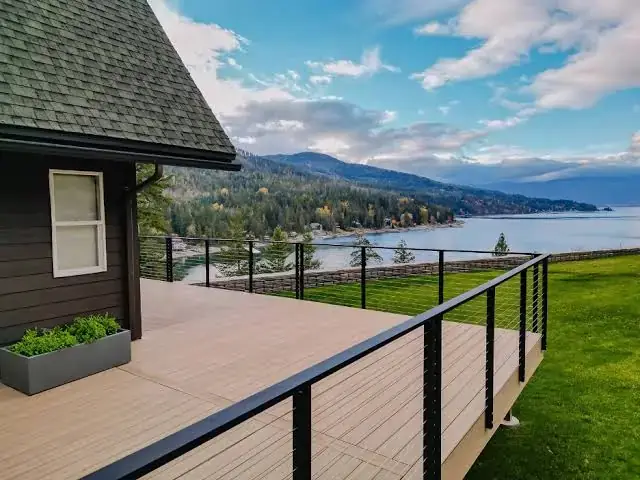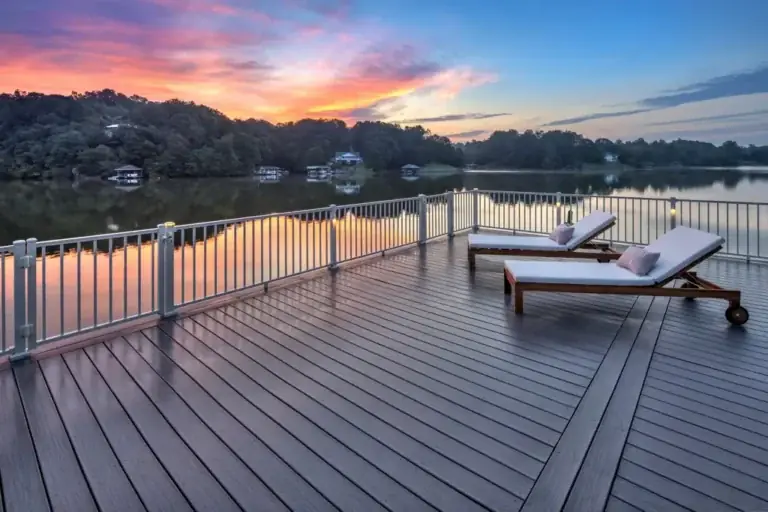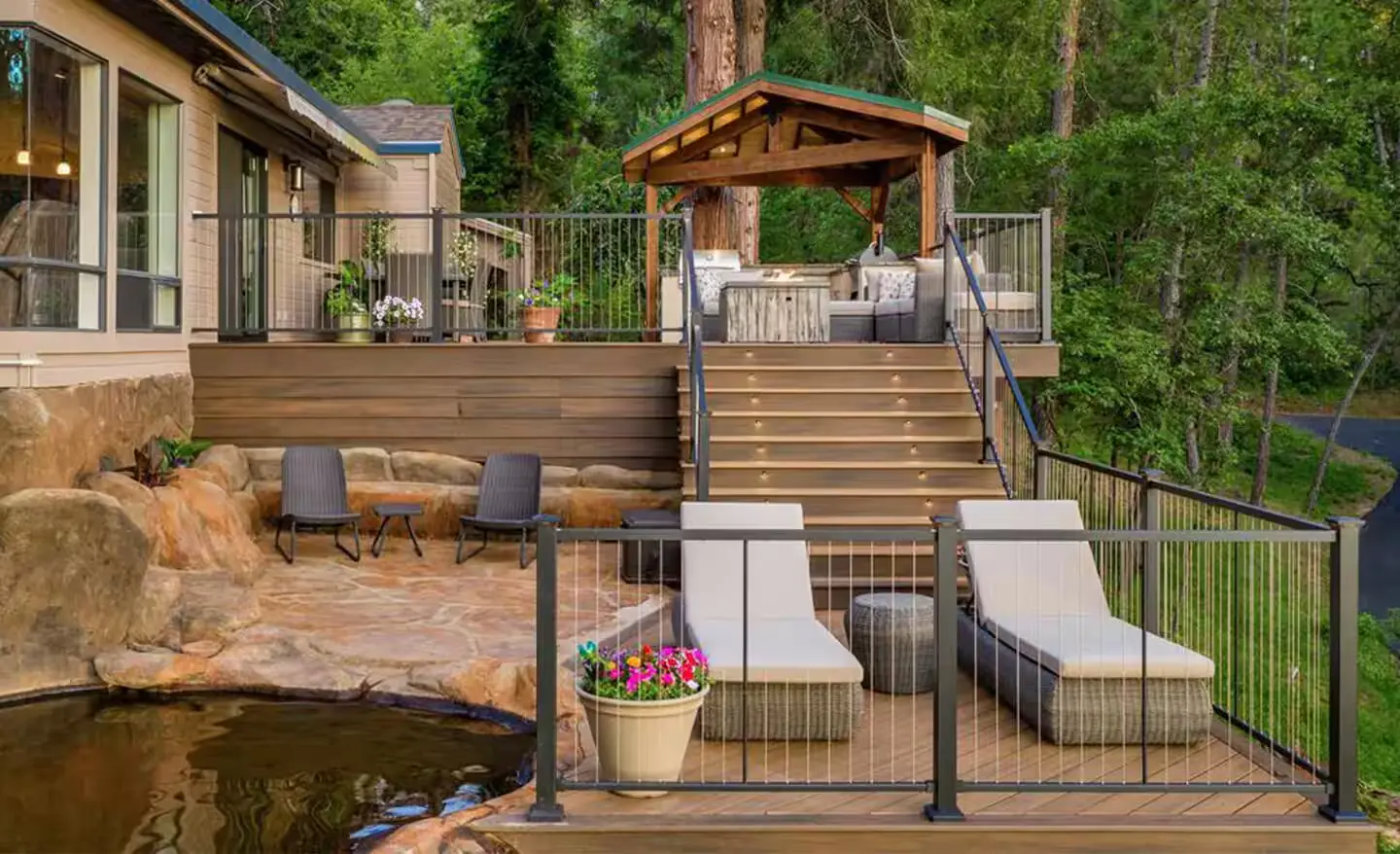
Iron Deck Railing Plans: Comprehensive Structural Blueprints and Layout Architecture
Designing exterior architectural perimeters requires balancing structural integrity, material chemistry, and local building code compliance. Residential outdoor platforms rely heavily on metal barriers for safety and clear sightlines. However, specifying these assemblies involves complex engineering considerations that go far beyond surface aesthetics. Iron Deck Railing Plans. Builders must evaluate structural joinery, moisture mitigation, hardware metallurgy, and load paths to construct barriers that withstand decades of severe weather exposure.
When architectural teams draft perimeter specifications, simple visual concepts often conceal underlying structural trade-offs. Hollow structural steel tubing behaves differently from solid forged bar stock or extruded aluminum profiles under continuous load. Ignoring thermal expansion coefficients, atmospheric condensation cycles, or leverage torque forces on support posts leads to post wobble, fastener shear, and premature metal oxidation.
Modern metal guardrails balance structural rigidity with refined architectural details. Understanding how carbon steel, wrought iron, and modern alloys interact with mounting brackets, concrete footings, and protective coatings allows fabricators to build durable assemblies. Systematically evaluating these options ensures residential decks maintain structural performance while complementing surrounding building design.
Understanding “iron deck railing plans”
Structural Blueprints and Material Definitions
When structural designers evaluate iron deck railing plans, they examine comprehensive architectural drawings that define geometric dimensions, material grades, and mechanical connection details. These technical blueprints bridge theoretical design concepts with job-site execution. Complete plans outline precise post spacing, top rail heights, infill openings, and rim joist attachment mechanics.
Modern metal guardrail specifications encompass more than simple ornamental iron. They include hollow structural section tubing, solid forged mild steel, and hybrid systems featuring cable or glass infills anchored within steel frames. Omitting precise fastening specifications often causes structural movement, moisture entry, and premature joint failure under load.
Load Path Mechanics and Regulatory Standards
Building safety codes establish strict structural performance criteria for residential perimeter barriers to prevent fall accidents. The International Residential Code mandates that top handrails withstand a 200-pound concentrated lateral force applied in any outward or downward direction along the upper edge.
Infill components, whether vertical pickets, horizontal bars, or decorative panels, must resist a 50-pound horizontal load applied across a one-square-foot area while keeping openings under four inches. Satisfying these regulatory requirements requires solid internal joist blocking, steel backing plates, and corrosion-resistant mounting hardware.
Microclimate Stress and Metallurgy Dynamics
Formulating functional railing blueprints requires a thorough understanding of atmospheric exposure, thermal movement, and regional moisture cycles. Metal framing expands and contracts continuously during seasonal temperature swings, placing stress on rigid mechanical anchors.
Trapped condensation inside unsealed steel tubing causes hidden internal rust, which eventually degrades structural welds. Proper engineering blueprints specify bottom weep holes, hot-dip galvanizing treatments, and zinc-rich powder coatings to prevent structural metal breakdown over time.
Historical Evolution of Architectural Metal Barriers
Hand-Forged Wrought Iron Traditions
For generations, architectural metal railings were hand-forged by blacksmiths using true wrought iron, an iron alloy featuring low carbon content and fibrous slag inclusions. Craftspeople heated solid iron bars in coal forges, shaping scrollwork, pickets, and handrails manually using anvils and hammers.
These traditional forged assemblies provided exceptional longevity and classic aesthetics, but required labor-intensive production processes. Mechanical joinery relied on iron rivets, collar bands, and lead-poured post sockets rather than modern electric arc welds.
Industrial Steel Tubing and Fabrication Shifts
During the mid-twentieth century, electric arc welding and automated tube rolling transformed architectural metal fabrication. Low-carbon mild steel tubing replaced solid forged wrought iron across commercial and residential building projects.
Mass-produced square steel tubing reduced material weight and fabrication costs, making decorative metal railings widely accessible. However, early hollow steel assemblies suffered from rapid internal oxidation when fabricators failed to seal tube ends or apply protective primer coatings.
Contemporary Hybrid and Engineered Metal Systems
Modern metal guardrail architecture combines traditional forged styling with advanced CAD software, CNC laser cutting, and factory powder-coated finishes. Factory-milled steel panel kits and modular aluminum systems streamline field assembly, reducing job-site welding demands.
Integrating thin stainless steel cables, tempered glass panels, or laser-cut steel plates within metal framing defines current high-end residential deck architecture. Modern planning requires balancing structural frame stiffness with corrosion-resistant metallurgy and low-maintenance finishes.
Engineering Frameworks and Structural Mental Models
Leverage Torque and Post Anchorage Mechanics
Applying outward pressure along top handrails creates significant rotational torque that concentrates tension directly at lower post attachment points.
A 200-pound lateral force pushed against a 36-inch tall post generates 600 foot-pounds of leverage torque where the post mounts to deck joists.
Standard wood joist end-grain holds lag screws weakly under continuous tension, requiring through-bolts and heavy steel backing plates for solid attachment.
Thermal Expansion and Joint Flexibility
Structural metal framing expands and contracts continuously as atmospheric temperatures fluctuate between summer heat and winter cold.
Steel tubing expands at different rates than surrounding timber framing, creating stress across mechanical connection joints.
Including slotted bolt holes and expansion sleeves inside long railing runs prevents buckled metal rails and cracked mounting welds.
Galvanic Reaction and Electrochemical Isolation
Connecting dissimilar metals together in humid outdoor environments triggers electrochemical galvanic corrosion that degrades structural fasteners.
Direct contact between carbon steel, aluminum, and stainless steel accelerates rust formation when atmospheric moisture acts as an electrolyte.
Inserting isolation washers, neoprene gaskets, and coated stainless fasteners prevents galvanic decay, preserving structural frame integrity.
Material Metallurgy and System Variations
Hollow Structural Section Steel Tubing
Hollow structural section steel tubing provides excellent strength-to-weight ratios, making it a popular choice for contemporary metal deck railings. Fabricators weld square and rectangular steel tubes easily, creating crisp geometric framing and modern architectural sightlines.
Unsealed hollow steel tubing must be hot-dip galvanized or fully sealed to prevent internal moisture accumulation and unseen rust formation. Proper surface preparation and zinc priming ensure hollow steel assemblies maintain structural performance over long exposure cycles.
Solid Forged Mild Steel and Ornamental Iron
Solid mild steel bars offer superior impact resistance and classic tactile weight, echoing traditional hand-forged wrought iron craftsmanship. Solid steel posts and vertical pickets eliminate internal condensation risks, providing dependable structural performance in high-impact residential settings.
Solid steel framing requires robust structural support due to its substantial material weight, demanding reinforced deck joists and heavy post anchors. Applying zinc-rich primers and durable powder coatings prevents surface rust, keeping solid steel barriers visually pristine.
Pre-Engineered Modular Aluminum Systems
Extruded aluminum railing systems offer complete immunity to red rust, providing a lightweight alternative to traditional iron framing. Powder-coated aluminum profiles imitate iron aesthetics while offering easy field cutting and simple bracket-based assembly workflows.
Aluminum exhibits lower ultimate tensile strength than structural steel, requiring thicker tube walls and closer post spacing along deck perimeters. Choosing high-grade marine aluminum ensures long-term resistance against harsh coastal salt spray and high humidity.
Architectural Metal Railing System Comparison
| System Configuration Category | Tensile Strength | Corrosion Resistance | Structural Frame Weight | Fabrication Complexity | Service Life Expectancy |
| Hollow Steel Tubing | High | Moderate | Moderate | Moderate | 20 to 30 Years |
| Solid Forged Mild Steel | Very High | Low to Moderate | Heavy | High | 25 to 40 Years |
| Hot-Dip Galvanized Steel | High | Exceptional | Moderate to Heavy | High | 40 to 50+ Years |
| Powder-Coated Aluminum | Moderate | Superior | Light | Low | 30 to 40 Years |
Decision Logic for System Selection
Selecting appropriate railing specifications requires evaluating regional climate conditions, structural deck capacity, and long-term maintenance budgets.
-
Harsh Coastal Marine Environments: Specify hot-dip galvanized steel or marine-grade powder-coated aluminum framing to prevent salt spray corrosion. Utilize 316-grade stainless steel mounting bolts and neoprene isolation washers across all mechanical connection joints.
-
High-Humidity and Heavy Rainfall Zones: Choose solid steel bars or fully sealed hollow structural tubing fitted with bottom weep holes to drain internal condensation. Apply zinc-rich epoxy primers followed by architectural-grade fluoropolymer powder coatings for maximum moisture defense.
-
Standard Suburban Residential Platforms: Select pre-engineered powder-coated steel or modular aluminum railing kits featuring adjustable mounting brackets. Mount support posts directly through deck boards into double rim joists using heavy galvanized through-bolts.
Real-World Field Scenarios and Climate Adaptation Iron Deck Railing Plans
Scenario 1: Coastal Atlantic Elevated Deck Renovation
A homeowner in New Jersey replaces a corroded wrought iron railing on an oceanfront deck exposed to salt spray and high winds. Previous hollow steel posts rusted from the inside out because unsealed tube bottoms trapped marine moisture.
The builder specifies hot-dip galvanized steel framing coated with an architectural powder finish, mounted on elevated stainless standoff brackets. Stainless standoff brackets lift post bases off deck surfaces, eliminating trapped salt water and preventing metal base decay.
Scenario 2: High-Altitude Mountain Deck Heavy Snow Loads
A cabin in Lake Tahoe requires a rigid metal guardrail capable of resisting lateral pressures from sliding roof snow and heavy snowpacks. Standard lightweight aluminum pickets bent under previous winter snow loads, deforming top handrails and loosening post anchors.
The contractor installs heavy solid steel posts paired with thick top cap rails and internal structural joist tension ties. Heavy steel framing withstands lateral snow forces easily, preserving straight perimeter lines across severe winter seasons.
Scenario 3: Urban Rooftop Terrace Space Constraints
A townhouse owner in Chicago installs a modern steel railing along a narrow rooftop terrace where deck perimeter space is limited. Surface-mounted post bases would encroach on usable floor space, creating tripping hazards along walkway edges.
The architect designs fascia-mounted steel posts through-bolted directly to the exterior face of rim joists using heavy steel backing plates. Fascia mounting preserves full floor square footage while providing exceptional structural leverage resistance against outward push forces.
Scenario 4: Historic District Porch Restoration
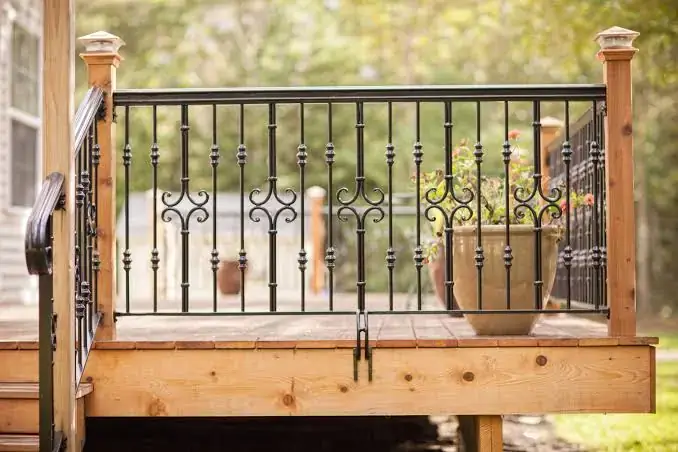
A historic home in Savannah requires replacing an old cast iron porch railing with an assembly that satisfies local historical preservation rules. Modern prefabricated aluminum kits were rejected by historical boards for lacking authentic profile dimensions and solid metal weight.
The builder fabricates custom solid mild steel railings using forged scrollwork, solid square pickets, and traditional cast iron post caps. Custom solid steel construction satisfies strict historical preservation standards while meeting modern building code structural safety rules.
Financial Dynamics, Sourcing, and Resource Allocation
Material Sourcing and Metal Specification Costs
Initial material expenditures for metal deck railings vary widely based on metal type, wall thickness, protective coatings, and decorative details. Standard prefabricated steel panels offer economical entry costs, whereas custom forged solid steel commands premium material investments.
Investing in factory hot-dip galvanizing increases initial material costs slightly, but eliminates future rust removal and repainting expenses. Low-cost unprimed steel tubing rusts quickly, requiring expensive field repairs and frequent coating touch-ups.
Welder Fabrication and Field Labor Dynamics
Building custom steel railings requires experienced metal fabricators skilled in TIG/MIG welding, beveling, grinding, and precision layout fitting. Setting heavy steel posts and leveling perimeter runs requires specialized metalworking tools and meticulous job-site fitting workflows.
Elevated multi-level installations increase safety rigging needs, crane hoisting requirements, and total field labor hours. Utilizing pre-assembled metal panels speeds up job-site assembly, helping manage overall installation labor budgets.
Financial Metrics for Metal Railing Configurations (Per Linear Foot)
| System Configuration | Material Cost / Foot | Labor Cost / Foot | 10-Year Maintenance | Estimated Total 20-Year Cost |
| Prefabricated Tubular Steel | $35 to $65 | $25 to $45 | $100 to $200 | $85 to $135 / Foot |
| Custom Solid Forged Steel | $90 to $180 | $65 to $110 | $150 to $250 | $190 to $325 / Foot |
| Hot-Dip Galvanized Steel | $70 to $120 | $45 to $80 | $50 to $100 | $130 to $210 / Foot |
| Modular Powder-Coated Aluminum | $45 to $85 | $30 to $50 | $30 to $70 | $85 to $145 / Foot |
Fabrication Equipment, Hardware, and Field Tools
Specialized Metalworking and Framing Equipment
Equipping installation crews with professional tools ensures clean field cuts, precise weld prep, and secure post anchoring.
-
Magnetic Base Drill Presses: Drill precise, clean bolt holes through thick steel joist plates without bit slipping.
-
Portaband Metal Cut-Off Saws: Produce clean, burr-free square cuts on steel tubes and solid pickets on the job site.
-
Angle Grinders with Flap Discs: Smooth field welds, bevel tube edges, and clean rust off steel surfaces prior to priming.
-
Structural Tension Anchor Ties: Connect steel post bases directly to interior joists, providing code-compliant leverage resistance.
-
Touch-Up Zinc Cold-Galvanizing Spray: Coat field-cut tube ends and weld seams immediately to prevent flash rusting.
-
Laser Alignment Levels: Verify long perimeter railing runs sit perfectly straight and level across variable deck surfaces.
Step-by-Step Installation Protocols
Following systematic installation protocols prevents loose post bases, frame misalignment, and premature coating failures over time.
-
Verifying Joist Substructure Blocking: Inspect double rim joists and internal timber blocking, confirming solid framing at every post base.
-
Setting and Plumb Checking Metal Posts: Position metal posts over mounting locations, checking vertical plumb using two perpendicular levels.
-
Through-Bolting Structural Post Bases: Secure steel post flange plates using heavy stainless bolts fitted with wide backing washers.
-
Mounting Pre-Welded Railing Panels: Lock metal railing sections into post brackets, creating rigid mechanical connection joints.
-
Sealing Field Cuts and Welds: Apply zinc-rich primer over every exposed metal cut or field weld before applying final topcoats.
Failure Taxonomy and Degradation Pathways
Substructure Attachment Failure and Post Wobble
Mounting heavy steel posts using lag screws driven into unreinforced deck boards or single rim joists is a severe structural mistake. Outward leverage pulls lag screws out of soft wood fibers, causing posts to tilt and failing building safety code tests.
Installing double rim joists, internal timber blocking, and steel tension tie brackets transfers leverage forces safely into main floor joists. Solid structural framing prevents post movement, keeping metal perimeter railings permanently rigid.
Internal Condensation and Hidden Tube Rust
Joining hollow steel tubing without sealing top caps or providing bottom weep holes allows trapped condensation to collect inside metal tubes. Trapped water causes internal rust that eats through tube walls unseen, eventually causing structural weld failures.
Applying internal rust-inhibiting sprays and drilling small bottom weep holes allows condensation to drain freely out of hollow steel posts. Proper drainage prevents hidden internal rust, extending structural service life significantly.
Fastener Galvanic Decay and Thread Stripping
Using low-grade carbon steel or uninsulated screws to anchor aluminum or steel post flanges causes rapid fastener corrosion and dark rust stains. Dissimilar metal reactions degrade screw threads over time, weakening post attachments and causing structural wobble.
Specifying 304 or 316-grade stainless steel fasteners fitted with neoprene isolation bushings eliminates chemical metal reactions. Stainless hardware maintains mounting strength without degrading surrounding deck framing or post flanges.
Coating Delamination and Surface Oxidation
Applying paint or powder coatings over dirty, rusty, or unprimed steel surfaces leads to early coating blistering and flaking. Water penetrates beneath delaminated paint films, accelerating surface rust and creating unsightly orange powder stains.
Sandblasting raw steel to white metal standards and applying zinc-rich primers before final powder coating ensures maximum surface adhesion. Proper surface prep preserves coating finish beauty across harsh weather seasons.
Maintenance Frameworks, Coatings, and Adaptation
Annual Metal Railing Inspection Guidelines
Maintaining metal guardrail systems requires regular inspections to check bolt tightness, coating condition, and structural frame rigidity.
-
Post Mounting Bolt Check: Inspect structural anchor bolts beneath deck framing, retightening nuts loosened by seasonal wood movement.
-
Weld Joint Integrity Audit: Examine welded frame corners and picket joints, checking for hairline cracks or surface paint fractures.
-
Baluster Spacing Verification: Measure gaps between vertical pickets, confirming no openings exceed the four-inch building code limit.
-
Surface Paint Touch-Up: Inspect powder coating for stone chips or scratches, applying zinc primer and matching acrylic touch-up paint.
-
Drain Weep Hole Inspection: Check bottom weep holes on hollow steel posts, clearing trapped dirt or debris using small wire picks.
Seasonal Cleaning and Finish Restoration
Simple routine cleaning removes airborne salt, dirt, and pollution, preserving metal powder coats and preventing finish chalking.
-
Mild Detergent Washing: Wash metal surfaces using mild car wash soap, warm water, and soft microfiber sponges to lift dirt.
-
Freshwater Spray Rinsing: Rinse metal thoroughly using clean water sprays to remove soap residue and loose surface salt.
-
Microfiber Towel Drying: Wipe down smooth handrails and powder-coated posts using clean microfiber towels to prevent water spots.
-
Protective Wax Coating: Apply automotive carnauba paste wax over powder-coated steel surfaces annually to repel water and boost UV defense.
Inspection Protocols and Quality Control
Quality Assurance Fabrication Checklist
Documenting fabrication and installation quality metrics verifies metal guardrail systems meet building safety codes and engineering standards.
-
Joist Substructure Audit: Confirm double rim joists, solid blocking, and steel tension ties exist behind every post anchor location.
-
Post Plumb Tolerance Verification: Verify support posts sit plumb within 1/16-inch tolerance across their total vertical height.
-
Four-Inch Sphere Safety Check: Confirm a rigid four-inch sphere cannot pass between vertical pickets or under bottom rails.
-
Fastener Metallurgy Inspection: Verify all mounting bolts, washers, and screws consist of stainless steel or hot-dip galvanized metal.
-
Weld Quality and Grind Audit: Inspect all structural welds, confirming complete metal penetration without porosity or unground spatter.
Leading Indicators vs Advanced Structural Failure Signals
Recognizing early metal degradation prevents structural frame failures and costly emergency repairs along elevated decks.
-
Leading Indicators (Early Warning Signs): Minor surface rust spots around fastener heads, light paint chalking, slight squeaking under load, and tiny chips in powder coatings. Addressing these early signs preserves structural metal framing.
-
Lagging Indicators (Advanced Failure Signals): Visible post leaning under light pressure, severe rust flaking around post bases, cracked weld joints, loose mounting bolts, and sagging top rails. These severe signs require immediate structural repairs.
Common Myths and Oversimplifications Iron Deck Railing Plans
The “Wrought Iron Never Rusts” Fallacy
A widespread misconception is assuming traditional wrought iron or ornamental steel requires no rust prevention care. All carbon steel alloys oxidize when exposed to air and moisture, requiring continuous zinc priming, paint coatings, or galvanizing treatments.
The Flange Plate Surface-Nailing Misconception
Many DIY builders believe screwing post flange plates into top deck boards provides sufficient structural post support. Surface screws pull out easily under outward leverage forces, failing building safety code tests and causing dangerous post wobbling.
The Powder Coating Permanence Myth
Applying powder coating over raw steel is often viewed as a permanent, maintenance-free finish solution. Powder coatings can chip or crack over time, allowing moisture beneath the surface and causing hidden rust creep if unprimed metal was used.
The Aluminum Weight Oversimplification
Assuming aluminum railings are naturally weaker than steel systems ignores modern structural alloy engineering. Properly engineered heavy-wall aluminum extrusions with internal ribs easily satisfy building code lateral force requirements while offering total rust immunity.
Material Sustainability and Lifecycle Dynamics
Sustainable Steel Recycling Dynamics
Selecting metal deck railings involves evaluating scrap metal recyclability, carbon footprints, and long-term material lifecycle impacts.
-
High Scrap Metal Recyclability: Structural steel and aluminum components are 100% recyclable at end of service life, reducing landfill waste.
-
Extended Service Lifecycle: Hot-dip galvanized and powder-coated metal railings last decades, minimizing material replacement frequency.
-
Reduced Chemical Sealing Demands: Metal guardrails eliminate periodic chemical wood stains, sealers, and liquid wood preservers.
Professional Architectural Engineering Leadership
Architects, structural engineers, and metal fabricators share a responsibility to design perimeter guardrails that prioritize safety and durability. When builders evaluate comprehensive iron deck railing plans, evaluating structural load paths, material metallurgy, and corrosion resistance ensures long-term performance. Specifying high-performance metal assemblies keeps residential outdoor living spaces safe, elegant, and structurally sound for decades.
Structural Synthesis and Engineering Judgment
Executing detailed iron deck railing plans requires balancing material metallurgy, joist anchor blocking, anti-corrosion finishes, and building safety code rules. Treating metal guardrails as integrated structural systems guarantees perimeter safety without compromising modern architectural aesthetics.
Combining hot-dip galvanized steel or heavy-wall extruded aluminum with solid internal joist blocking provides exceptional resistance against lateral leverage forces and severe weather exposure. Utilizing continuous top handrails, stainless steel fasteners, and zinc-rich powder primers preserves alignment across changing seasonal cycles.
By avoiding unprimed steel tubing, maintaining vertical picket gaps under four inches, performing annual bolt inspections, and applying protective wax coats, property owners ensure metal deck railings remain safe, elegant, and structurally sound across decades of continuous outdoor use.