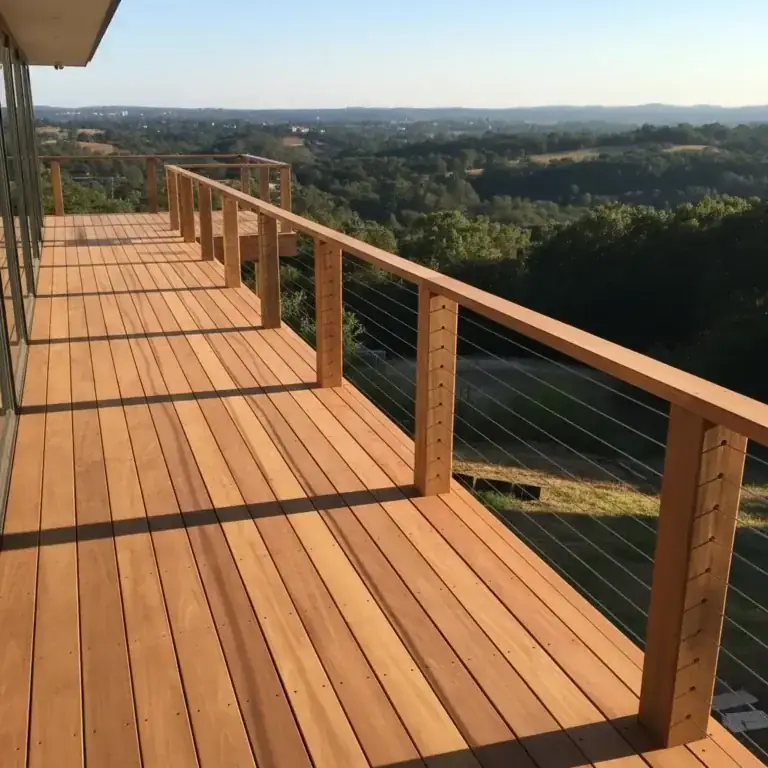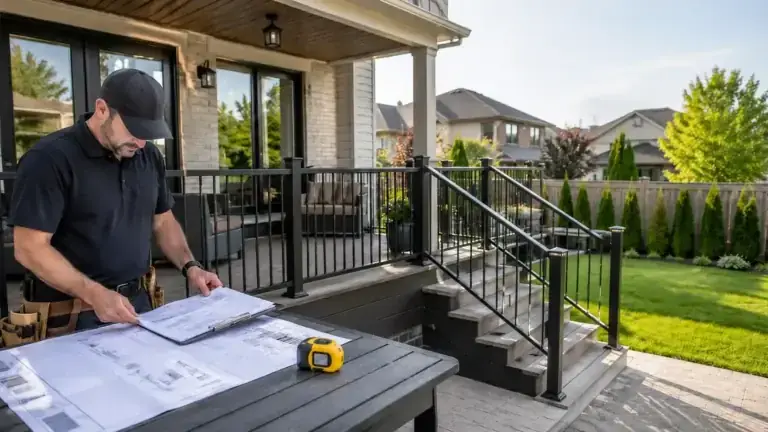
How to Plan Deck Railing Replacement on a Budget: Cost Guide
Replacing exterior guardrail assemblies on elevated outdoor decks requires a calculated balance between code compliance, structural integrity, and financial discipline. Perimeter barriers are subjected to constant environmental stress, including ultraviolet radiation, thermal movement, and water accumulation at mechanical connections. These environmental factors slowly weaken post attachments and degrade surface finishes, making system replacement necessary.
Guardrail assemblies function as critical life-safety structures on elevated platforms, making cost cutting without structural evaluation a serious safety hazard. Reducing material costs by skipping necessary substructure upgrades compromises guardrail stiffness under load. Executing a cost-effective replacement project demands careful material selection, thorough structural assessment, and strategic labor management.
Planning a cost-conscious guardrail overhaul involves evaluating structural post bases, fastener hardware, local building codes, and long-term maintenance demands. Understanding how material choices impact both immediate construction expenses and ongoing maintenance costs enables property owners to achieve maximum durability on a controlled budget.
Understanding “how to plan deck railing replacement on a budget”
Material Selection and Structural Pathology
Learning how to plan deck railing replacement on a budget requires analyzing structural framing, material durability, and hardware loads rather than focusing solely on initial material prices. Selecting low-cost untreatable timber leads to premature wood rot, requiring expensive structural repairs within a few years.
Allowing unsealed end-grain cuts to absorb rainwater creates conditions for fungal decay inside post bases and rail tracks. Reducing project costs safely involves re-using sound structural posts, selecting pre-engineered modular kits, and applying protective preservatives to framing members.
Structural Code Compliance and Lateral Load Resistance
Residential building codes mandate that guardrail posts withstand a 200-pound concentrated lateral force applied anywhere along the top rail. Surface-mounted posts attached to weak rim joists fail load tests, creating severe life-safety hazards.
Failing to reinforce underlying substructure framing leads to failed building inspections and expensive teardowns. Proper budget planning prioritizes internal joist blocking and structural through-bolts to ensure rigid perimeter safety without overspending on decorative elements.
Lifecycle Cost Accounting and Material Trade-Offs
Selecting guardrail components based strictly on low initial retail pricing often increases long-term maintenance and replacement expenses over time. Standard pressure-treated lumber carries low initial purchase costs, but requires regular sanding, staining, and sealing.
Higher-grade options, such as powder-coated aluminum or hybrid metal baluster systems, carry higher initial prices, but eliminate regular painting cycles. A balanced financial strategy weighs initial material expenses against long-term maintenance costs across varied climate zones.
Historical Evolution of Exterior Guardrail Material Economics
Site-Cut Lumber Practices and High Upkeep Overhead
Historically, residential deck railings were constructed using site-cut dimension lumber, such as pressure-treated pine, cedar, or cypress. Carpenters cut balusters and handrails on site, fastening pieces with smooth-shank nails that loosened over time.
Exposed end-grain cuts absorbed rainwater, causing swelling, surface splitting, and premature rot at joint intersections. Traditional wood railings required frequent scraping, sanding, and staining, creating high long-term maintenance costs for property owners.
Early Synthetic Extrusions and Dimensional Instability
The introduction of early uncapped composite and PVC railing profiles offered low-maintenance alternatives to traditional site-cut lumber. These synthetic extrusions eliminated regular painting, but introduced new structural challenges, such as UV fading and thermal movement.
Unreinforced PVC rails expanded significantly under hot summer sunlight, causing top rails to bow and bracket connections to crack. Early synthetic systems required specialized mounting hardware, increasing overall project material expenses.
Modern Hybrid Systems and Modular Assembly Economics
Modern guardrail manufacturing combines high-strength extruded aluminum, capped composite post sleeves, and slim powder-coated steel balusters. Factory-assembled railing panels feature drop-in mounting channels that reduce job-site labor requirements.
Modern manufacturing processes produce durable weather-resistant materials at competitive price points, making low-maintenance systems affordable. Property owners can now combine structural timber posts with affordable metal balusters to create rigid, attractive barriers on a controlled budget.
Financial Engineering, Structural Physics, and Material Dynamics
Substructure Load Transfer and Leverage Mechanics
Pushing outward against top handrails exerts rotational leverage at post base attachment points.
A 200-pound lateral force applied at a 36-inch handrail height exerts 600 foot-pounds of torque on rim joist connections.
Solid joist blocking is required to transfer this torque safely into floor joists without overspending on custom mounting brackets.
Fastener Metallurgy and Galvanic Degradation
Salt moisture and chemical wood preservatives accelerate corrosion on standard carbon steel screws.
Copper-treated lumber causes rapid galvanic corrosion when placed in direct contact with untreated steel or raw aluminum.
Using hot-dipped galvanized or stainless steel fasteners prevents metal corrosion and stops expensive structural joint failures.
Thermal Expansion Coefficients and Installation Tolerances
Temperature swings cause synthetic and metal railing components to expand and contract along their length.
Unreinforced vinyl rails expand significantly under heat, whereas aluminum and timber maintain stable dimensions.
Installers must leave accurate expansion gaps at mounting brackets to prevent rail warping and bracket cracking.
Replacement Strategies, System Categories, and Trade-Offs
Hybrid Pressure-Treated Timber with Metal Balusters
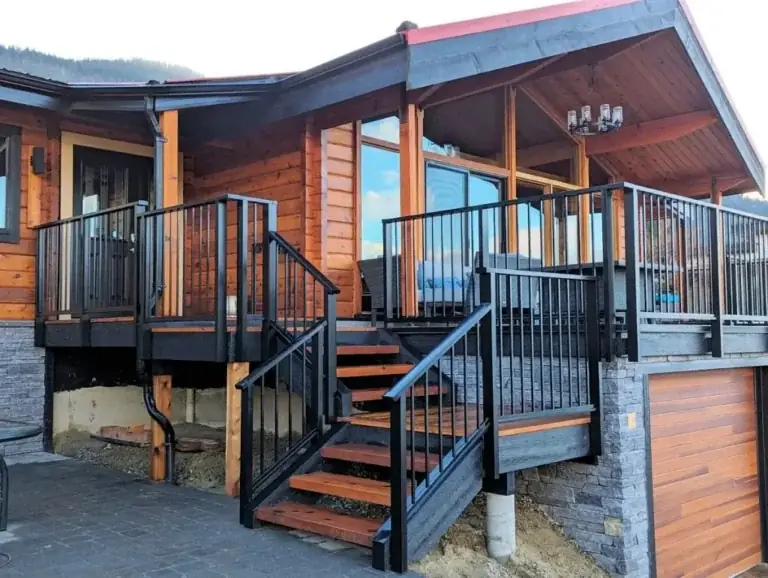
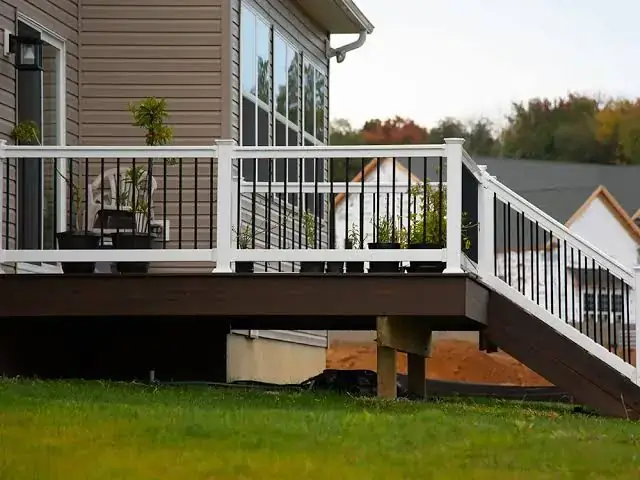
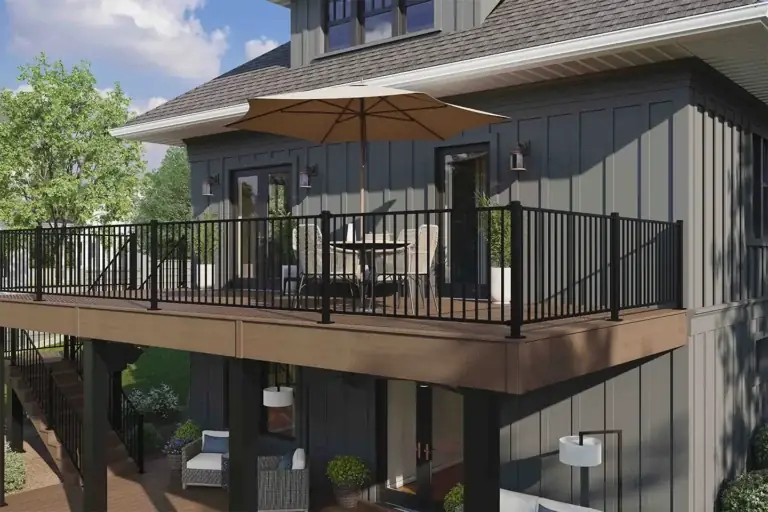
Hybrid railing systems combine pressure-treated wood posts and top rails with round powder-coated hollow steel balusters. This design keeps material expenses low by utilizing affordable timber for structural members while using durable metal for infill balusters.
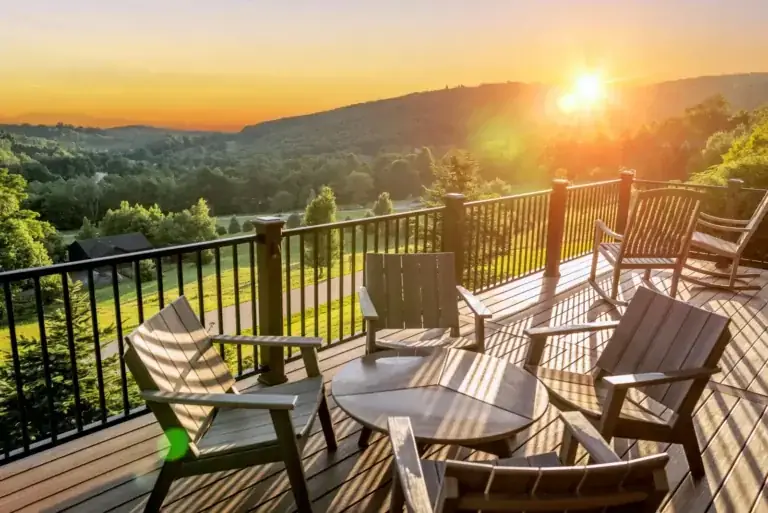
Black metal balusters provide clean sightlines, resisting weather damage far better than traditional wood pickets. Using pre-drilled wood rail tracks speeds up baluster installation, reducing overall job-site labor hours.
Pre-Engineered Powder-Coated Aluminum Kits
Modular aluminum railing kits feature factory-assembled panels that slide into pre-drilled post channels. Lightweight aluminum extrusions offer high strength and weather resistance, making them ideal for coastal and high-humidity regions.
Powder-coated finishes resist UV degradation, eliminating the need for periodic painting or staining. While initial kit prices exceed raw lumber, fast installation times and low upkeep lower long-term total ownership costs.
Hybrid Capped Composite Post Sleeves and Metal Rails
Sloping capped composite post sleeves over existing structural timber posts creates a clean appearance without the cost of full composite systems. Property owners combine composite sleeves with affordable aluminum or steel top and bottom rails.
This approach protects internal timber posts from weather exposure while maintaining a low total project cost. Capped composite sleeves resist moisture absorption and cracking, providing a durable exterior finish over standard wood framing.
Budget Railing System Category Comparison
| System Configuration | Initial Material Cost | Installation Labor | Upkeep Demand | Expected Service Life | Cost / Linear Foot |
| All Pressure-Treated Wood | Low | Moderate | High (Stain/Seal) | 10 to 12 Years | $25 to $45 |
| Wood Frame + Metal Balusters | Moderate | Fast | Moderate | 15 to 18 Years | $35 to $65 |
| Modular Aluminum Kits | Moderate-High | Very Fast | Very Low | 20 to 25 Years | $55 to $95 |
| Composite Sleeve + Metal Rail | Moderate | Fast | Low | 20+ Years | $50 to $85 |
| Continuous Vinyl Railing | Moderate | Fast | Low | 12 to 15 Years | $40 to $70 |
Practical Decision Logic for Low-Cost Railing Replacement
Selecting the most cost-effective replacement strategy requires evaluating existing frame condition, climate exposure, and available installation labor.
Sound Existing Posts with Weathered Railing Tracks
-
Leave structural 4×4 timber posts in place, provided wood fibers pass hammer sounding tests and moisture checks.
-
Remove weathered wood rails and pickets, replacing them with pre-drilled timber rails fitted with black hollow metal balusters.
-
Cap existing wood post tops with sloped aluminum caps to shed rainwater and protect internal end-grain fibers.
Severely Roted Posts and Weak Rim Joists
-
Remove damaged posts completely and add solid 2×10 wood blocking behind outer rim joists to reinforce mounting zones.
-
Install new pressure-treated 4×4 posts through-bolted into joists, or mount surface-mounted aluminum post base plates.
-
Install factory-assembled modular aluminum rail panels, securing bracket channels with stainless steel lag screws.
High-Humidity Climate with Strict Upkeep Constraints
-
Install capped composite post sleeves over new pressure-treated timber support posts.
-
Mount pre-finished powder-coated aluminum top and bottom rails equipped with snap-in baluster spacers.
-
Seal all exposed fastener penetrations with exterior polyurethane sealant to block moisture entry.
Real-World Budget Scenarios and Structural Adaptation
Retrofitting Weathered Railings on Sound Framing
A property owner needs to replace a weathered 60-linear-foot wood guardrail on a second-story deck without exceeding a tight budget. The main deck joists remain structurally sound, but existing 4×4 corner posts show minor surface checking.
The builder leaves structural posts in place, cuts away decayed top rails, and treats post bases with borate wood hardeners. Installing black metal balusters between new pressure-treated wood rails upgrades appearance while keeping material costs manageable.
Coastal Deck Upgrade on a Controlled Budget
An oceanfront home requires replacement of corroded steel guardrails exposed to high humidity and continuous salt spray. Budget limits prevent installing expensive frameless glass or custom 316-grade stainless steel cable systems.
The owner selects factory-powder-coated aluminum railing kits equipped with marine-grade stainless steel lag screws. Non-conductive isolation gaskets installed beneath aluminum post base plates prevent galvanic corrosion against copper-treated joists, ensuring long service life.
Low-Profile Ground Deck Refresh
A low-profile deck sitting 24 inches above ground requires perimeter railing replacement to satisfy local property sale requirements. Because the deck fall height remains under 30 inches, strict structural guardrail codes do not apply under local regulations.
The owner installs a simplified 36-inch wood-and-metal hybrid railing anchored directly to outer rim joists. Simplifying hardware needs and using standard pressure-treated lumber keeps overall material expenses under $30 per linear foot.
Re-Using Structural Posts with Composite Sleeves
A suburban deck has structurally sound 4×4 pressure-treated posts that are greyed and weathered on their surface. Replacing all support posts would require removing deck boards and adding extensive joist blocking below.
The contractor slips hollow capped composite sleeves over existing timber posts, securing sleeves with bottom shims and top cap trims. Adding powder-coated aluminum rail tracks between composite sleeves delivers a modern look while avoiding expensive substructure rebuilds.
Financial Planning, Resource Dynamics, and Cost Models How to Plan Deck Railing Replacement on a Budget
Direct Material and Component Expenses
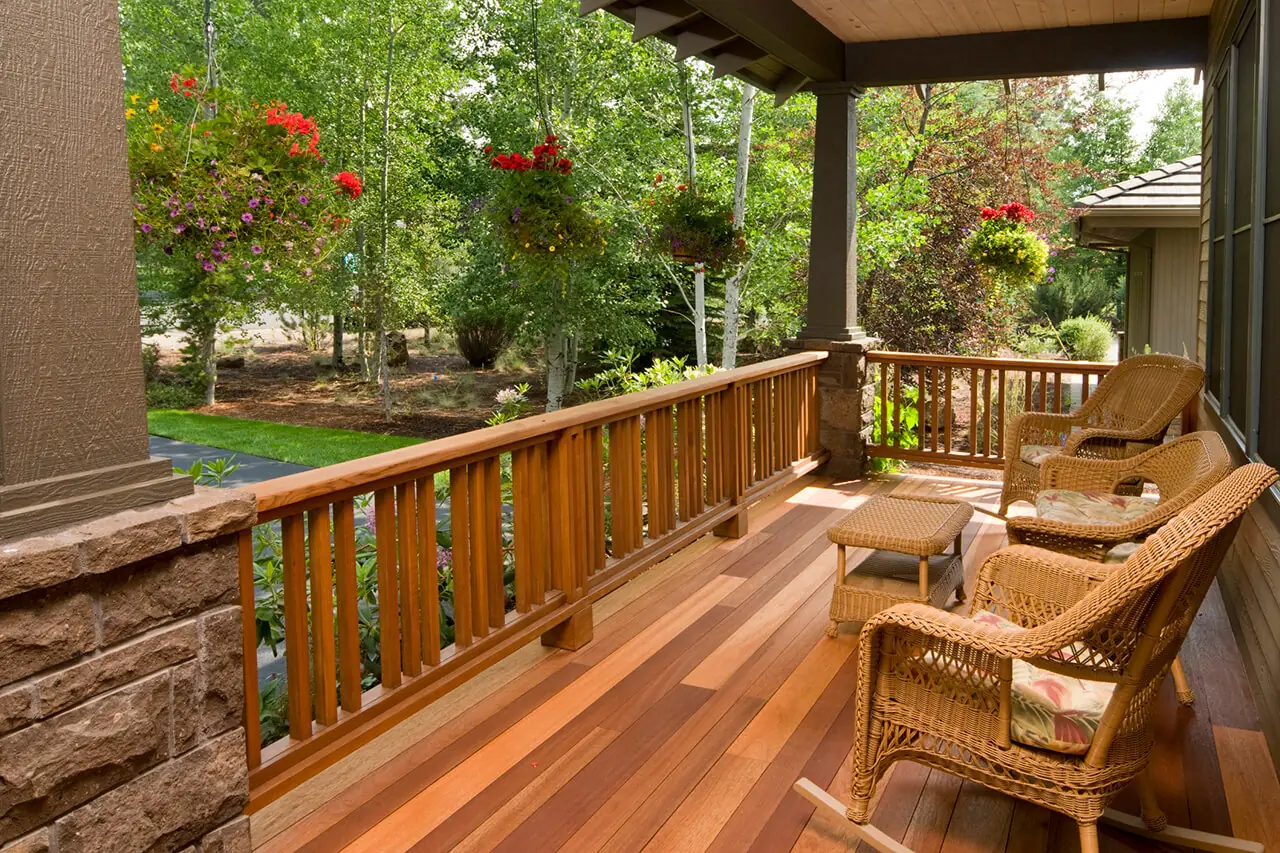
Direct expenses include replacement posts, top rails, bottom tracks, baluster infill, mounting brackets, post caps, joist blocking lumber, and structural fasteners. Buying complete modular kit bundles often reduces overall shipping fees and component unit costs.
Purchasing stock factory colors like black or white avoids custom coating surcharges. Choosing pre-drilled rail channels speeds up job-site assembly, lowering labor costs on professional installations.
Labor Allocation and DIY vs. Professional Installation
Labor costs depend heavily on structural framing complexity, post mounting accessibility, and hardware installation difficulty. Installing site-cut wood pickets requires extensive measuring and cutting, increasing professional labor hours.
Modular aluminum kits and pre-drilled hybrid rail systems reduce job-site assembly time significantly. Skilled DIY builders can handle modular kit installations, saving substantial labor expenses while maintaining code compliance.
Estimated Project Costs per Linear Foot
| Project Execution Scope | Material Expense | Labor Expense | 5-Year Maintenance | 20-Year Total Investment |
| DIY PT Wood Picket Rail | $15 to $25 | $0 (Self-Built) | $20 to $35 | $35 to $60 |
| Pro PT Wood + Metal Balusters | $25 to $40 | $25 to $45 | $15 to $25 | $65 to $110 |
| Pro Modular Aluminum Kit | $45 to $75 | $20 to $40 | $2 to $5 | $67 to $120 |
| Pro Composite Sleeve + Rail | $40 to $70 | $25 to $50 | $2 to $5 | $67 to $125 |
Material Selection Tools, Procurement Strategies, and Hardware Systems
Essential Job-Site Tools and Hardware
Equipping installation crews with proper tools speeds up guardrail replacement, ensures accurate cuts, and secures post connections.
-
Compound Miter Saws: Make clean, accurate cross-cuts on wooden rails, composite sleeves, and aluminum extrusions using fine-tooth carbide blades.
-
Impact Drivers: Drive structural lag screws and bracket fasteners rapidly into solid wood framing without stripping fastener heads.
-
Digital Angle Finders: Measure stair rail slope angles accurately, ensuring mounting brackets align smoothly along stair runs.
-
Post Levels: Check vertical post plumb along two faces simultaneously before tightening permanent base bolts.
-
Post-Hole Clamps: Hold structural posts firmly against rim joists while drilling clearance holes for carriage bolts.
-
Structural Tension Ties: Anchor post bases horizontally into main floor joists, preventing post wiggling under lateral loads.
-
Borate Wood Preservatives: Soaked into exposed timber cuts to kill active fungal spores and prevent internal decay.
Streamlined Replacement Workflows
Following organized job-site installation steps prevents costly material waste and ensures rigid guardrail connections.
-
Inspecting Existing Framing: Tap structural posts and rim joists with a brass hammer to check for soft timber rot before ordering materials.
-
Reinforcing Rim Joists: Add solid 2×10 wood blocking behind post mounting locations, securing blocks with structural screws driven through joists.
-
Mounting Anchor Posts: Set corner and end posts plumb, through-bolting bases into double rim joists using 1/2-inch carriage bolts.
-
Cutting Rail Channels: Measure distances between installed posts, cutting top and bottom rail tracks to fit using miter saws.
-
Assembling Infill Panels: Insert metal balusters into pre-drilled bottom rail tracks, locking top rails over balusters to form solid panels.
-
Securing Rail Brackets: Attach rail brackets to post sleeves using stainless steel screws, verifying top rails remain level across spans.
Budget Failure Modes and Compounding Cost Risks How to Plan Deck Railing Replacement on a Budget
Missing Internal Joist Blocking
Attaching guardrail posts to thin outer rim joists without internal wood blocking is a major framing mistake in budget deck projects. Pushing against unblocked posts twists outer rim joists, causing guardrails to wobble under light hand pressure.
Fixing loose posts after deck boards are installed requires tearing up decking to add internal blocking, doubling labor expenses. Installing solid joist blocking during initial post placement prevents future post movement and protects project budgets.
Substructure Attachment Mechanics
Securing vertical posts demands anchoring directly into internal substructure framing to resist lateral leverage forces:
Screwing post base plates through decking boards into an unblocked rim joist allows applied forces to pull fasteners loose, twisting the rim joist and failing safety inspections.
Through-bolting post base plates into a double rim joist backed by solid internal wood blocking transfers applied forces safely into main deck joists.
Low-Grade Fastener Corrosion
Using standard carbon steel screws or non-galvanized fasteners in pressure-treated lumber leads to rapid hardware corrosion. Copper chemicals inside treated wood eat through low-grade metal screws, causing fastener shanks to snap under load.
Corroded screws allow rail brackets to pull loose from support posts, creating severe fall hazards. Using hot-dipped galvanized or 304-grade stainless steel fasteners prevents metal corrosion and costly emergency repairs.
Unsealed Wood End-Grain Cuts
Cutting pressure-treated wood posts on job sites exposes untreated inner heartwood to weather exposure. Leaving raw end-grain cuts unsealed allows rainwater to soak deep into posts, triggering internal wood rot.
Decayed post cores weaken structural integrity, requiring complete post replacement within a few weather seasons. Coating all job-site wood cuts with liquid borate preservatives seals wood fibers and prevents premature rot.
Long-Term Governance, Inspection Protocols, and Adaptation
Annual Safety and Hardware Audit
Maintaining guardrail rigidity and safety requires annual inspections to catch loose bolts, wood shrinkage, or surface finish wear early.
-
Post Base Stability Check: Apply firm lateral pressure against support posts to check for base flex or loose mounting bolts.
-
Bracket Screw Inspection: Check rail mounting brackets for loose screws or cracked plastic housings, retightening hardware as needed.
-
Infill Clearance Verification: Measure spaces between balusters to confirm gaps remain strictly under four inches to meet building codes.
-
Finish Coating Inspection: Check powder-coated surfaces and painted wood rails for chips, peeling, or surface rust spots.
-
Drainage Hole Clearing: Verify weep holes at post bases and bottom rail tracks remain clear of dirt to allow water drainage.
Seasonal Preventative Upkeep Routines
Simple seasonal maintenance protects guardrail finishes, prevents structural hardware corrosion, and extends total service life.
-
Washing Surface Dirt: Clean aluminum and composite rails with warm water, mild soap, and a soft brush to remove dirt and pollen.
-
Retightening Post Bolts: Retighten loose carriage bolts using socket wrenches to compensate for seasonal wood shrinkage.
-
Touching Up Wood Sealers: Apply clear water-repellent sealer to raw wood rail sections every two years to block moisture entry.
-
Sealing Coating Scratches: Seal minor powder coat chips immediately using manufacturer touch-up paint pens to stop metal oxidation.
Quality Control Metrics, Budget Audits, and Field Records How to Plan Deck Railing Replacement on a Budget
Field Quality Control Checklist
Documenting guardrail installation details provides clear records for building code inspectors, home buyers, and insurance audits.
-
Post Mounting Bolt Torque: Confirm all carriage bolts meet torque specs, ensuring tight clamping force against joists.
-
Top Rail Height Compliance: Verify top handrail height measures at least 36 inches above deck boards for residential builds.
-
Infill Gap Clearance: Pass a four-inch sphere between balusters under pressure to confirm ongoing child safety compliance.
-
Structural Bracket Fasteners: Confirm all mounting brackets are secured with specified structural screws rather than standard deck screws.
-
Post Plumb Alignment: Verify posts stand completely vertical along two adjacent faces using digital post levels.
-
Joist Blocking Verification: Confirm solid 2×10 joist blocking is installed behind every post location to prevent rim joist twisting.
Early Warning Signals vs Advanced Failure Indicators
Catching early material wear prevents expensive structural repairs or dangerous guardrail failures.
-
Leading Indicators (Early Warning Signs): Minor post flex under heavy pressure, small hairline cracks near bracket screws, light chalking on metal finishes, and minor cable line slack. Resolving these minor issues early prevents deep structural damage.
-
Lagging Indicators (Advanced Failure Signs): Support posts leaning outward under light hand pressure, rusted carriage bolts, cracked bracket housings, and split post bases. These serious failure signs demand immediate structural repair or component replacement.
Industry Misconceptions and Budget Railing Myths
The All-Wood Lowest Cost Myth
A common misconception is assuming building an all-wood picket railing is always the cheapest option for deck projects. While raw wood pickets carry low retail purchase prices, high labor installation times and ongoing staining costs make all-wood systems expensive over time.
Cosmetic Post Sleeve Misconception
Hollow composite post sleeves resemble solid timber posts, leading some installers to mistake them for load-bearing members. Composite sleeves provide weather protection and finish style, but offer little structural strength. Hollow sleeves must slip over structural steel mounts or pressure-treated wood posts to meet load codes.
Universal Span Rating Fallacy
Many DIY builders assume all guardrail types can safely span eight feet between support posts without middle supports. Maximum post spans depend directly on material stiffness, top rail profile, and local building code load requirements. Cheaper vinyl and wood systems often flex over eight-foot spans, requiring shorter six-foot post spacing.
Paint Sealant Fallacy
Applying thick exterior paint over wet or decayed wood posts traps internal moisture inside wood fibers instead of protecting them. Trapped water accelerates internal fungal growth, causing internal wood rot behind unbroken surface paint films.
Environmental Material Accounting and Material Lifecycle Stewardship
Material Lifecycle Footprint
Evaluating guardrail material options involves assessing environmental impacts across manufacturing, usage, and disposal phases.
-
Pressure-Treated Wood Stewardship: Using sustainably harvested treated pine sequesters carbon over long service lives.
-
Recycled Content Aluminum: Primary aluminum production requires high energy inputs, but recycling aluminum uses 95% less energy. Specifying recycled aluminum extrusions lowers environmental impact while keeping components fully recyclable.
-
Composite Material Processing: Composite systems use recycled plastics and reclaimed wood flour, keeping waste out of landfills. However, mixed synthetic materials are difficult to recycle at the end of their service life.
Structural Safety and Long-Term Value
Architects, framing contractors, and property owners share a responsibility to install perimeter guardrails that prioritize user safety and material durability. Skipping internal joist blocking, using non-compliant baluster spacing, or selecting undersized fasteners creates serious fall hazards along elevated platforms. Following engineered installation guidelines ensures outdoor living spaces remain safe, functional, and attractive on a controlled budget.
Structural Synthesis and Final Architectural Recommendations
Successfully understanding how to plan deck railing replacement on a budget requires combining sound structural framing, strategic material choices, and efficient job-site installation techniques. Treating deck perimeters as engineered life-safety barriers ensures reliable performance without overspending on unnecessary decorative features.
Combining pressure-treated timber support posts with pre-drilled metal balusters or modular aluminum kits offers an optimal balance of structural strength, weather resistance, and low upkeep. Re-using sound structural posts and slipping capped composite sleeves over weathered timber saves significant material and labor expenses.
By installing solid joist blocking, using structural hot-dipped galvanized or stainless steel fasteners, sealing raw end-grain cuts, and following seasonal cleaning schedules, property owners can achieve safe, code-compliant deck railings that maintain their clean appearance over decades of outdoor use.