Cable Deck Railing Options: Hardware & Architectural Systems Guide
Integrating horizontal tensioned wire arrays into outdoor living platforms requires careful structural planning and precise hardware selection. Modern perimeter barriers preserve scenic vistas while maintaining strictly enforced fall prevention standards. Cable Deck Railing Options. However, steel wire strands function differently than traditional timber balusters or rigid aluminum pickets. Stainless wire arrays exert continuous inward pulling forces along perimeter support posts and framing members.
Failing to calculate cumulative wire tension, post flex, or joist deflection causes structural bowing, sagging wire lines, and safety code violations. Specifying wire guardrail systems requires calculating cumulative tension loads, selecting marine alloy grades, and detailing substructure attachment points. Careful planning prevents structural movement and ensures long-term safety compliance.
Comprehensive design bridges architectural concepts and field installation realities. Installing wire guardrails involves evaluating post material strength, swaged versus swageless fittings, corner post bracing methods, and rim joist attachment options. Addressing these technical factors during early planning prevents costly mid-project framing modifications and long-term maintenance headaches.
Understanding “cable deck railing options”
System Architecture and Tension Specifications
Evaluating cable deck railing options involves analyzing post framework stiffness, tensioning hardware mechanics, and wire strand configurations rather than focusing only on surface visual appeal. Engineering blueprints specify how individual wire runs wrap around corners, pass through intermediate posts, and anchor into terminal support posts.
Complete design documents specify wire strand diameter, stainless alloy grades, swage fitting mechanics, and post hole spacing. Builders use these drawings to calculate total compressive loads, select heavy mounting hardware, and install extra internal joist blocking before surface deck boards are laid down.
Frame Deflection and Substructure Leverage
Horizontal wire strands transfer high inward compression loads directly into end termination posts and outer deck rim framing. Standard unreinforced timber 4×4 posts bow inward under the combined pull of multiple tensioned wire lines.
Design plans detail reinforced corner posts, internal steel post stiffeners, and heavy wood blocking between framing joists. Securing structural posts to solid substructure blocking prevents post tilting and keeps wire lines taut across seasonal temperature swings.
Building Codes, Opening Limits, and Safety Regulations
Building codes enforce strict structural safety rules for elevated perimeter barriers on outdoor decks. Building inspectors mandate that horizontal wire strands resist a 200-pound concentrated load without flexing enough to let a four-inch sphere pass through.
Installing wire strands without calculating wire deflection causes line sag under pressure, failing safety inspections. Structural blueprints specify maximum three-inch vertical wire spacing and intermediate support posts placed every four feet to ensure code compliance.
Structural History and Technological Evolution of Exterior Glazing
Early Industrial Wire Implementations
Early residential wire guardrails adapted industrial marine rigging hardware and standard commercial wire rope to site-built wood railing frames. Carpenters drilled holes through timber posts, threading bulk galvanized steel wire through the frame and tightening it with exposed turnbuckles.
While industrial fittings kept views open, galvanized steel wire rusted quickly when exposed to rain and coastal air. Furthermore, bulky turnbuckles created an unrefined industrial appearance, and exposed wire ends posed snag hazards for homeowners.
Development of Swaged Stainless Fittings
To refine wire guardrail aesthetics, marine hardware manufacturers developed specialized swaged stainless steel end fittings. Specialized hydraulic crimping tools cold-form metal sleeves directly onto 316-grade stainless wire ends, creating smooth, high-strength connections.
Modern swaged fittings conceal tensioning threads inside hollow support posts or sleek end caps. Concealing tensioning hardware creates clean lines while protecting threaded components from weather and atmospheric corrosion.
Rise of Tool-Free Swageless Hardware Mechanics
While hydraulic swaging yields high connection strength, it requires renting heavy specialized crimping equipment on job sites. Hardware engineers responded by developing tool-free swageless fittings that grip wire strands securely using internal stainless jaws.
Swageless fittings allow installers to push bare wire ends into self-locking mechanical sockets using basic hand tools. Eliminating hydraulic crimpers simplifies job-site installation, allowing general carpenters to trim and connect wire lines quickly.
Structural History and Technological Evolution of Exterior Glazing
Early Industrial Infill Adapters
Early architectural wire railings relied on exposed industrial turnbuckles imported directly from commercial shipping docks. Builders adapted heavy galvanized hardware to site-built timber frames, accepting bulky fittings to achieve open landscape sightlines.
Galvanized coatings deteriorated under seasonal weather, leaving rust streaks along light-colored wood posts. Exposed turnbuckles also collected dirt and presented sharp edges, requiring frequent maintenance to remain functional.
Transition to Concealed Stainless Fittings
The emergence of architectural stainless steel processing led to internal tensioning mechanics hidden inside hollow metal posts. Stainless steel alloys offered superior corrosion resistance, allowing wire assemblies to maintain clean appearances in outdoor settings.
Engineers designed compact threaded studs that tighten inside posts using basic hex wrenches. Hiding connection hardware protected moving threads from weather exposure, extending hardware service life in coastal environments.
Modern Hybrid Frame Engineering
Modern wire guardrail design incorporates engineered hybrid framing materials that combine high structural strength with slim profiles. Extruded aluminum posts with internal steel stiffeners provide high rigidity without the heavy weight of solid steel.
Factory-engineered post kits come pre-drilled at precise three-inch intervals, eliminating manual layout errors on job sites. Integrated isolation bushings prevent direct contact between steel wire and aluminum posts, eliminating galvanic corrosion risks.
Engineering Frameworks and Tension Distribution Mechanics Cable Deck Railing Options
Cumulative Tension and Post Load Dynamics
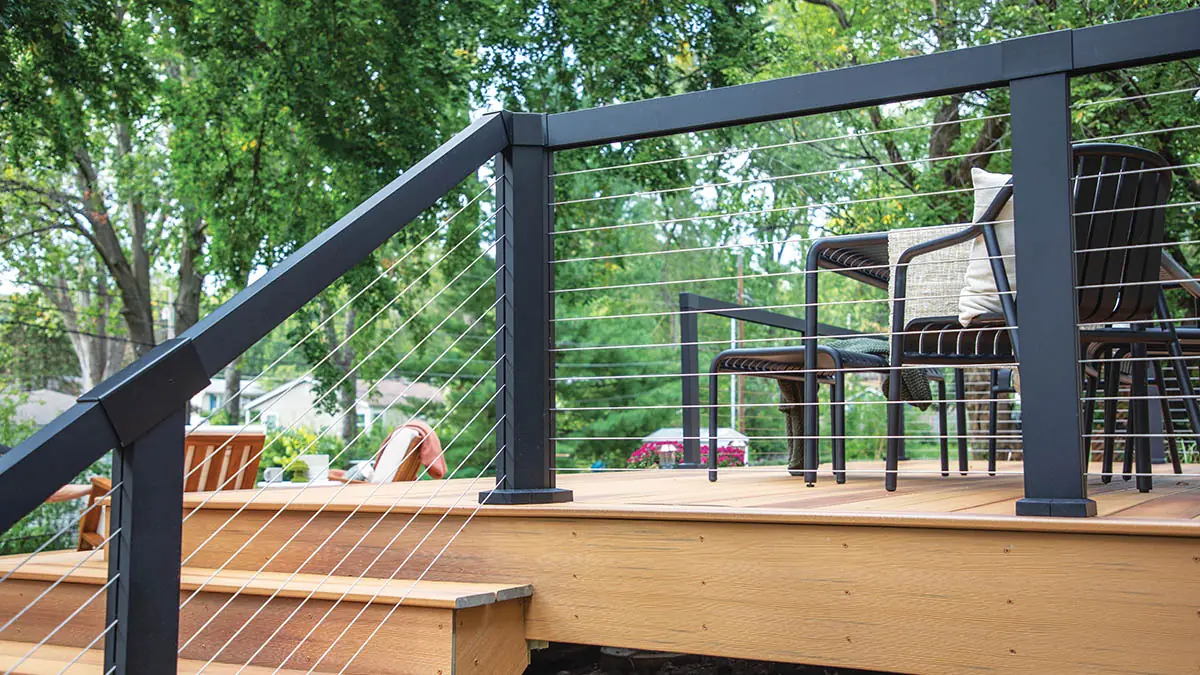
Individual wire strands are tightened to approximately 200 to 300 pounds of initial tension to prevent line sagging.
Ten horizontal wire runs on a standard 36-inch high residential post exert 2,000 to 3,000 pounds of continuous inward pull on terminal end posts.
Double end posts or internal steel post stiffeners are required to resist this heavy compressive force without bending inward.
Frame Flex and Wire Deflection Mechanics
Applying lateral force to taut wire strands transfers tension loads to supporting end posts.
Deflection distance depends on wire tension, intermediate post spacing, and terminal post rigidity.
Spacing intermediate posts four feet apart keeps wire deflection minimal, preventing four-inch gaps under hand pressure.
Thermal Expansion and Material Chemistry
Temperature swings cause metal posts and stainless wire strands to expand and contract at different rates.
Stainless steel wire expands slightly in summer heat, which can reduce line tension if posts remain fixed.
Installing internal spring-loaded tension washers maintains constant line tension across extreme seasonal temperature changes.
Hardware Orientations, Structural Materials, and Post Assemblies
Horizontal Wire Strand Arrays
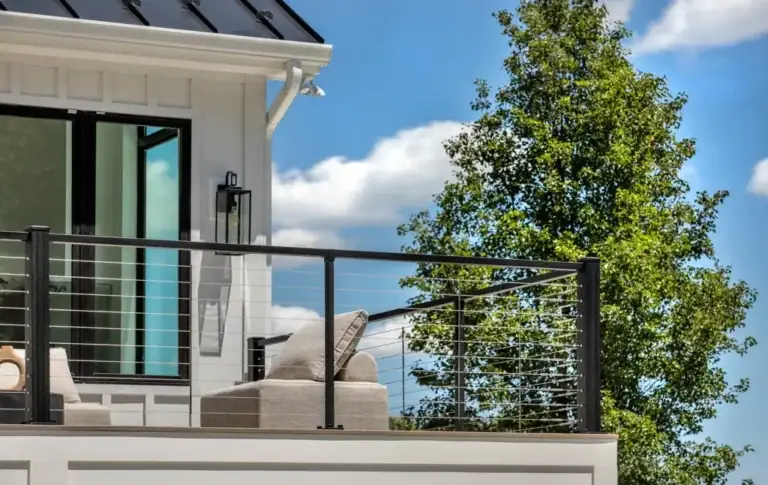
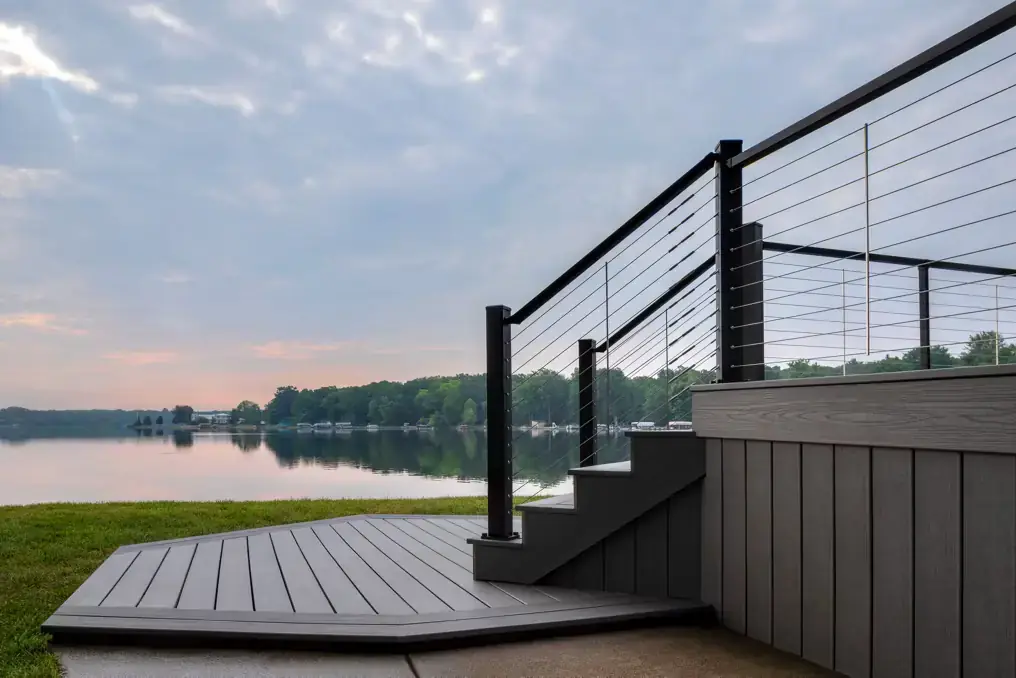
Horizontal wire arrays remain the most common wire guardrail layout, delivering clean horizontal lines that blend with surrounding landscapes. Wire strands pass through pre-drilled intermediate posts, anchoring into terminal end posts at deck corners.
Horizontal layouts require careful vertical hole spacing to satisfy four-inch safety codes under hand pressure. Horizontal arrays also create a ladder-like structure, requiring confirmation of local building codes regarding climbability rules.
Vertical Wire Strand Frameworks
Vertical wire systems run wire strands vertically between rigid top and bottom rails, eliminating horizontal ladder rungs completely. Vertical layouts prevent climbing, making them popular for high elevated platforms and families with small children.
Vertical wire configurations transfer tension loads into top and bottom rails rather than side end posts. Top rails must incorporate heavy internal stiffeners to resist upward and downward bowing forces from tensioned vertical wires.
Powder-Coated Extruded Aluminum Frameworks
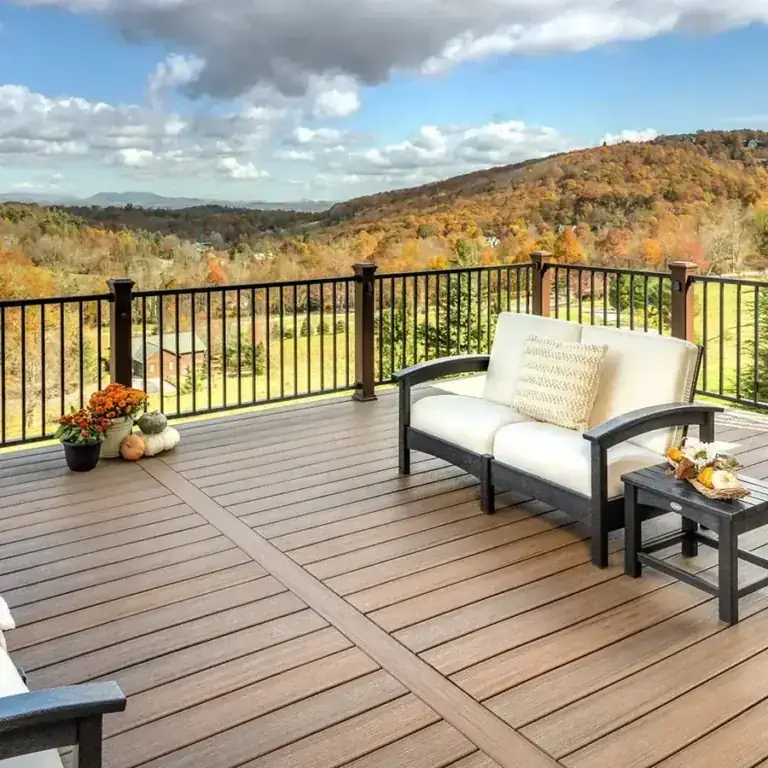
Extruded aluminum posts provide high structural strength, light physical weight, and excellent weather resistance. Factory powder-coat finishes shield aluminum extrusions from moisture, rust, and UV degradation across varied climate zones.
Pre-engineered aluminum posts feature factory-drilled wire pass-through holes, accelerating job-site assembly times. Plastic isolation grommets inserted into drilled holes prevent direct metal-to-metal contact, stopping galvanic corrosion.
Marine-Grade 316 Stainless Steel Posts
Solid 316-grade stainless steel posts deliver maximum structural rigidity and slim physical profiles, making them well-suited for high-wind coastal platforms. Stainless posts handle high wire tension loads without needing thick internal steel stiffeners.
Polished or brushed stainless finishes create a sleek modern aesthetic that complements contemporary architecture. However, stainless steel post packages carry higher material costs than standard aluminum or composite post options.
Wood Post Assemblies with Stainless Sleeves
Natural timber posts offer classic warmth and pair well with rustic, craftsman, or traditional home styles. Installers drill through 4×4 or 6×6 timber posts, inserting protective stainless steel transition sleeves into drilled pass-through holes.
Stainless sleeves prevent steel wire strands from cutting into soft wood fibers when wire lines are tightened. Wood posts require double-rim joist blocking to handle cumulative wire tension loads without leaning inward over time.
Cable Deck Railing Options Performance Matrix
| Framing Material Profile | Wire Orientation | View Transparency | Material Cost | Installation Complexity | Expected Lifespan |
| Powder-Coated Aluminum | Horizontal | High | Moderate | Low to Moderate | 25+ Years |
| 316 Stainless Steel | Horizontal | Maximum | High to Very High | Moderate | 25+ Years |
| 316 Stainless Steel | Vertical | High | High | High | 25+ Years |
| Structural Composite | Horizontal | Moderate | Moderate | Moderate | 20 to 25 Years |
| Hardwood / Cedar | Horizontal | Moderate to High | Low to Moderate | High (Manual Drilling) | 15 to 20 Years |
Practical Decision Logic for System Specification Cable Deck Railing Options
Selecting appropriate wire guardrail configurations requires matching post strength, wire orientation, and hardware types to site requirements.
High-Wind Coastal Deck
-
Install 316-grade stainless steel post framing fitted with 1/8-inch 1×19 stainless wire strands and swaged tension fittings.
-
Through-bolt post base plates into double rim joists using marine-grade stainless hardware and non-conductive isolation pads.
Traditional Suburban Timber Deck
-
Mount 4×4 cedar posts equipped with stainless steel pass-through sleeves and tool-free swageless tension fittings.
-
Reinforce corner posts with internal steel angle braces to handle cumulative horizontal wire tension loads.
Elevated Multi-Story Urban Terrace
-
Install vertical wire arrays mounted between heavy-duty aluminum top and bottom rails attached to structural posts.
-
Use internal spring-loaded tension washers inside rail channels to maintain taut vertical wire lines across seasonal temperature shifts.
Site Specific Scenarios and Structural Installation Trade-Offs
Oceanfront Salt-Spray Exposure
Installing wire guardrails on oceanfront decks subjects hardware to continuous salt spray, high humidity, and wind-driven sand. Salt deposits accelerate pitting corrosion on lower-grade metals, degrading wire strands and tension fittings.
Specifying marine-grade 316 stainless steel wire and fittings prevents metal corrosion and preserves structural strength. Applying protective passivating cleaners during assembly removes surface iron deposits, preventing rust staining.
High-Altitude Severe Freeze-Thaw Conditions
Mountain deck installations endure intense UV radiation, heavy snow accumulation, and extreme seasonal freeze-thaw cycles. Water trapped inside hollow post extrusions can freeze and expand, cracking post bases or loosening mounting brackets.
Installing aluminum or steel posts equipped with bottom drainage weep holes allows meltwater to discharge quickly. Using spring-loaded tension washers absorbs thermal movement, keeping wire lines taut during sub-zero cold snaps.
High-Wind Mountain Overlook Platform
High-wind mountain sites require guardrails engineered to handle dynamic wind pressure and heavy lateral loads. Horizontal wire arrays let wind pass through freely, drastically reducing wind load forces on structural support posts.
Allowing wind pass-through makes wire guardrails safer for wind-exposed platforms than solid wood or glass barriers. End posts must be through-bolted into double rim joists backed by solid internal wood blocking.
Retrofitting Weathered Timber Framing Substructures
Upgrading old deck railings with modern wire systems without replacing existing framing presents structural challenges. Aged rim joists often lack internal wood blocking, requiring substructure reinforcement before wire tension hardware is installed.
Installers reinforce retrofitted framing by adding double rim joists and internal 2×10 blocking using structural lag screws. Adding double corner posts distributes heavy wire tension loads evenly across underlying deck joists.
Financial Accounting, Material Logistics, and Capital Dynamics
Material Component Expenditure Breakdown
Direct hardware expenses include support posts, top handrails, wire spools, swaged fittings, swageless tensioners, protective sleeves, and lag bolts. Purchasing component hardware separately from multiple vendors increases material costs.
Ordering complete factory-engineered railing packages or pre-cut wire kits lowers procurement expenses. Standard factory colors like black, bronze, or white avoid custom coating fees.
Field Labor Overhead and Tooling Demands
Labor costs depend directly on assembly complexity, post hole drilling requirements, and wire termination mechanics. Custom-drilling timber posts and swaging wire lines manually on site requires skilled trade labor over multiple work days.
Pre-engineered aluminum post packages feature factory-drilled holes and drop-in bracket connections, allowing carpentry crews to complete installations quickly. Streamlined site assembly directly lowers overall contractor labor bills.
Installed Cost Estimates per Linear Foot
| System Profile Style | Material Cost / Lin. Ft. | Labor Cost / Lin. Ft. | 5-Year Maintenance Cost | 20-Year Total Investment |
| Hardwood Frame / Swageless | $45 to $75 | $35 to $65 | $15 to $25 | $95 to $165 |
| Aluminum Post Kit / Swaged | $60 to $100 | $30 to $55 | $2 to $5 | $92 to $160 |
| Aluminum Post Kit / Swageless | $70 to $115 | $25 to $45 | $2 to $5 | $97 to $165 |
| 316 Stainless Frame / Swaged | $110 to $180 | $50 to $90 | $2 to $8 | $162 to $278 |
| Vertical Aluminum Wire Kit | $85 to $140 | $45 to $80 | $2 to $5 | $132 to $225 |
Field Assembly Tools, Specialized Tensioners, and Mounting Systems
Essential Job-Site Tools
Equipping installation crews with specialized tools speeds up job completion, protects wire strands, and ensures post mounts satisfy structural code standards.
-
Hydraulic Cable Crimpers: Cold-compress stainless steel end fittings onto tension wire strands, preventing wire pull-out under load.
-
High-Leverage Cable Cutters: Produce clean, shear wire cuts without fraying strand ends, making threading through posts easy.
-
Calibrated Tension Gauges: Measure exact wire line tension in pounds, ensuring wire arrays satisfy building safety codes.
-
Calibrated Torque Wrenches: Drive post anchor bolts to exact tension limits, preventing thread stripping in structural wood blocking.
-
Precision Laser Levels: Establish level post heights across long deck runs, ensuring smooth top handrail alignment.
-
Hot-Dipped Galvanized Lag Screws: Structural fasteners used to anchor post base plates firmly into internal wood framing.
Job-Site Assembly Workflows
Organizing clear job-site workflows minimizes installation errors and lowers total labor expenses.
-
Pre-Marking Substructure Layouts: Layout post locations along deck perimeters before drilling pilot holes, keeping post spacing uniform.
-
Pre-Installing Framing Blocking: Mount double rim joists and internal 2×10 wood blocking before installing surface deck boards.
-
Setting Posts Level: Shim post base plates flat using stainless steel washers before tightening anchor bolts.
-
Threading Wire Strands: Push wire strands through intermediate post pass-through holes, taking care not to scratch powder coatings.
-
Tensioning Wire Lines: Tighten tension fittings in a balanced sequence starting from center wire lines and moving outward.
Structural Risk Taxonomy and Tensile Degradation Modes Cable Deck Railing Options
Unreinforced Corner Post Deflection
Anchoring tensioned wire lines into single unreinforced corner posts is a major structural mistake in wire deck construction. Cumulative wire tension pulls unbraced corner posts inward, causing upper wire lines to sag.
Over time, post deflection pulls base mounting bolts loose, twisting outer rim joists and failing building safety inspections. Installing double corner posts or internal steel post stiffeners prevents frame deflection.
Substructure Attachment Mechanics
Securing vertical posts demands anchoring directly into internal substructure framing to resist lateral leverage forces:
Screwing post base plates through decking boards into an unblocked rim joist allows applied forces to pull fasteners loose, twisting the rim joist and failing safety inspections.
Through-bolting post base plates into a double rim joist backed by solid internal wood blocking transfers applied forces safely into main deck joists.
Galvanic Corrosion in Metal Assemblies
Mounting aluminum post bases directly onto copper-treated framing using carbon steel bolts triggers rapid galvanic corrosion. Atmospheric moisture acts as an electrolyte between dissimilar metals.
Galvanic corrosion destroys bolt threads and blisters powder-coated post bases within a few seasons. Installing non-conductive neoprene isolation pads and using stainless steel fasteners prevents chemical hardware degradation.
Wire Creep and Initial Tension Loss
Newly installed stainless steel wire strands undergo minor structural stretching, known as wire creep, during their first few months under tension. As wire strands settle, line tension drops slightly, allowing wire gaps to widen.
Contractors must inform property owners that initial wire tension drops are normal. Performing a quick hardware retensioning pass six weeks after installation restores full line tension and ensures ongoing code compliance.
Long-Term Maintenance Schedules and Tension Monitoring Governance
Annual Structural Safety Audit
Maintaining wire guardrail safety requires annual inspections to spot loose hardware, wire slack, or structural framing movement early.
-
Wire Line Tension Audit: Measure wire line tension using a tension gauge to confirm readings satisfy building code limits.
-
Post Base Stability Check: Apply lateral force to vertical posts to detect base plate flex, loose anchor bolts, or framing movement.
-
Infill Gap Inspection: Pass a four-inch sphere between wire strands under pressure to confirm child safety compliance.
-
Protective Sleeve Inspection: Inspect plastic and stainless sleeves in wood posts, replacing cracked grommets to prevent wire rubbing.
-
Hardware Corrosion Survey: Inspect tension studs and swageless fittings for surface rust, cleaning components with stainless polish.
Seasonal Preventative Upkeep Routines
Simple seasonal maintenance protects metal finishes and keeps wire guardrails taut across all climates.
-
Surface Soap Washing: Wash metal extrusions, posts, and wire strands with warm water, mild soap, and a soft cloth to remove dirt.
-
Hardware Retensioning: Tighten slack tension studs using simple hand wrenches to restore firm line tension.
-
Passivation Cleaning: Apply stainless steel passivation cleaner to wire fittings once a year to remove surface iron deposits.
-
Coating Touch-Up: Seal minor powder coat scratches using manufacturer touch-up paint to prevent raw metal oxidation.
Field Inspection Protocol, Signal Tracking, and System Audits
Quality Assurance Inspection Checklist
Documenting guardrail conditions tracks structural performance over time, providing clear safety records for property owners and building officials.
-
Base Plate Fastener Torque: Confirm post anchor bolts meet torque specs, ensuring zero post movement at joist connections.
-
Top Rail Lateral Deflection: Apply lateral force along top handrails, verifying structural sections resist bowing without permanent deflection.
-
Infill Clearance Inspection: Pass a four-inch sphere between wire strands under force to verify child safety compliance.
-
Wire Line Tension Measurement: Check wire tension using an inline tension gauge to confirm readings meet manufacturer targets.
-
Surface Finish Continuity: Inspect metal coatings for pinhole corrosion or bubbling, documenting areas needing touch-up sealant.
-
Galvanic Isolation Barrier Check: Confirm non-conductive gaskets remain present between aluminum plates and treated lumber framing.
Leading Warning Signals vs Advanced Failure Indicators
Catching early hardware wear prevents expensive structural repairs or sudden guardrail failures.
-
Leading Indicators (Early Warning Signs): Minor wire line slack, hairline cracks in plastic grommets, tiny chips in post powder coating, and light surface dust on fittings. Resolving these issues early prevents structural decay.
-
Lagging Indicators (Advanced Failure Signs): Support posts leaning under light hand pressure, sheared anchor bolts, frayed wire strands, and twisted rim joists. These red flags demand immediate structural repair or full hardware replacement.
Industry Misconceptions and Cable Engineering Myths Cable Deck Railing Options
The Maintenance-Free Wire Myth
Stainless steel wire railings are often marketed as maintenance-free building products that require no attention after installation. While stainless steel resists rot and decay, wire strands collect airborne dirt and require periodic retensioning to offset wire creep.
Structural Post Sleeve Misconception
Hollow composite post sleeves resemble solid timber posts, leading some installers to mistake them for load-bearing members. Composite sleeves provide weather protection and finish style, but offer little structural strength. Hollow sleeves must slip over structural steel mounts or pressure-treated wood posts to handle wire tension.
Universal Post Span Fallacy
Many DIY builders assume wire support posts can safely span eight feet between posts like traditional wood pickets. High wire tension forces limit intermediate post spacing to a maximum of four feet to prevent wire deflection under hand pressure.
Top-Mount Universal Suitability Fallacy
DIY builders often assume top-mounting post base plates is the only reliable way to anchor wire guardrail posts. Top-mounting consumes valuable floor space along deck edges. Fascia-mounted post brackets transfer lateral loads into rim joists while keeping deck surface boards completely clear.
Environmental Material Accounting and Material Lifecycle Dynamics
Lifecycle Carbon and Production Impacts
Evaluating wire guardrail systems involves assessing their environmental footprint across production, usage, and disposal phases.
-
Recycled Content Stainless Steel: Primary stainless steel production requires high energy inputs, but recycling stainless steel uses significantly less energy. Specifying recycled stainless wire lowers environmental impact while keeping hardware fully recyclable.
-
Aluminum Processing Energy: Extruded aluminum posts require high initial manufacturing energy. However, aluminum extrusions offer exceptionally long service lives and remain 100% recyclable at end-of-life.
-
Timber Sourcing Footprint: Natural wood posts carry low initial production energy footprints. However, wood posts require regular chemical staining and offer shorter service lives in wet climates than aluminum or steel.
Structural Safety and Long-Term Value
Architects, building contractors, and homeowners share a responsibility to install perimeter guardrails that prioritize user safety and material longevity. Skipping internal post blocking, using non-compliant wire spacing, or selecting undersized fasteners creates serious fall hazards along elevated platforms. Following engineered installation guidelines ensures outdoor living spaces remain safe, functional, and visually open for decades.
Structural Synthesis and Final Engineering Recommendations
Evaluating cable deck railing options requires analyzing post framework strength, wire tension hardware mechanics, corner bracing methods, and overall project costs. Treating wire perimeters as engineered structural safety barriers ensures reliable performance without overspending on unsuitable hardware.
Specifying powder-coated aluminum or 316 stainless steel post framing paired with 1/8-inch 1×19 stainless wire strands delivers an ideal balance of strength, view openness, and low maintenance across most climate zones. Swageless hardware simplifies field assembly, whereas swaged fittings provide ultra-clean visual lines.
By installing solid internal joist blocking, using structural post anchors, inserting protective wire pass-through sleeves, and performing annual tension checks, property owners can construct beautiful, code-compliant wire deck railings that maximize landscape views and enhance home value over decades of continuous use.