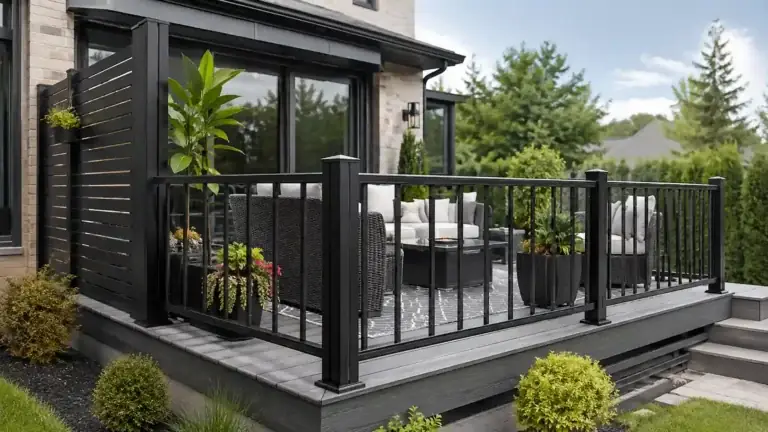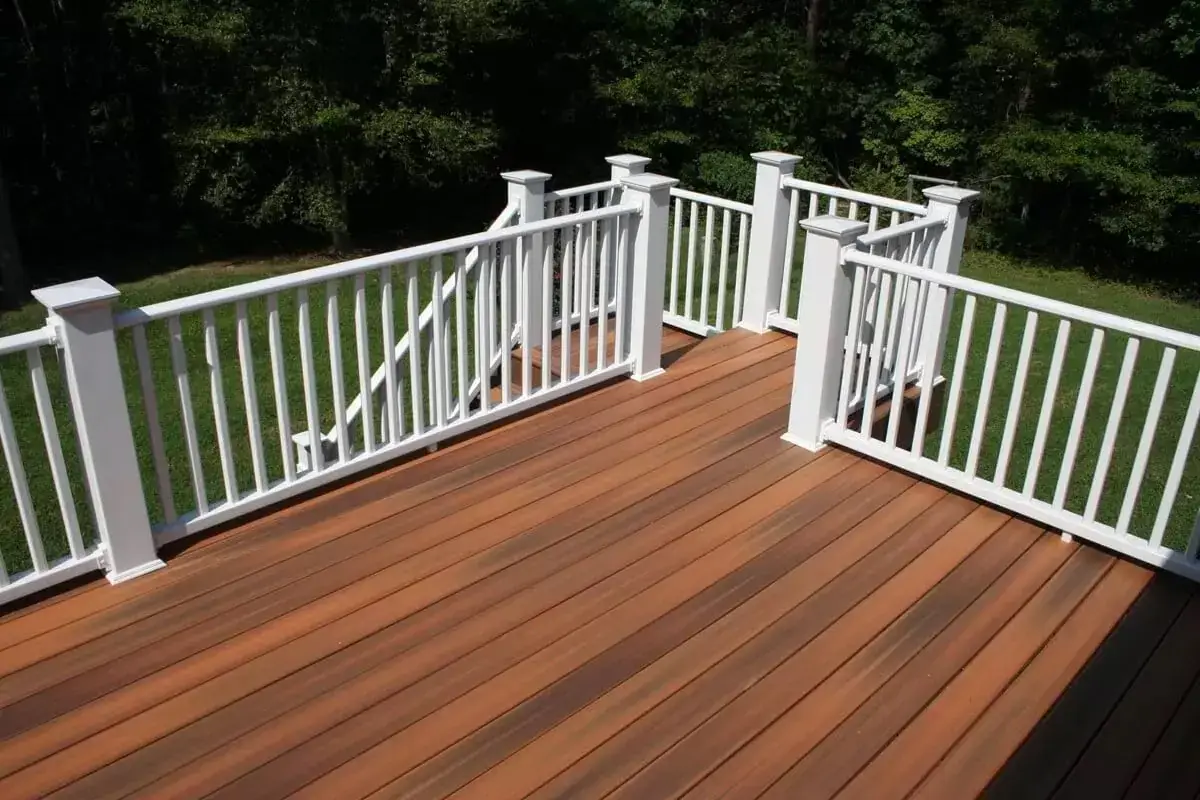
Compare Vinyl Deck Railing Kits for Exterior Projects
The selection of exterior architectural barriers involves complex engineering evaluations, material science considerations, and long-term economic planning. Property owners, general contractors, and professional deck builders frequently evaluate perimeter safety enclosures to satisfy local building regulations while matching specific property aesthetics. Compare Vinyl Deck Railing Kits. Modern outdoor living construction has shifted away from traditional wood and heavy wrought iron toward engineered polymer systems.
Polymer-based guardrail packages offer predictable manufacturing consistency, weather resistance, and minimal ongoing surface treatment requirements. Selecting the ideal product configuration requires looking past basic catalog photos and decorative post caps. Structural integrity, internal reinforcement methods, span limitations, and thermal expansion properties determine whether an installation survives severe environmental stress or degrades prematurely.
Evaluating available market options involves analyzing manufacturing standards, reinforcing inserts, bracket engineering, and code compliance credentials. This comprehensive guide establishes an analytical framework designed to help professionals evaluate structural options without relying on marketing claims or surface-level summaries.
Understanding compare vinyl deck railing kits
The phrase compare vinyl deck railing kits describes the systematic technical evaluation of packaged polymer guardrail assemblies. These manufactured bundles typically include top rails, bottom rails, balusters, structural mounting brackets, and internal stiffening channels. Buyers examine these packages to determine load resistance, wind-load capacity, color stability, and warranty coverage across different brands.
A frequent error in project planning involves treating all packaged polymer systems as structurally identical. Polyvinyl chloride extrusions vary significantly in wall thickness, impact modifiers, ultraviolet inhibitors, and internal core construction. Thin-walled extrusions lack the rigidity required to resist heavy lateral forces, leading to sagging handrails and loose post connections over time.
Another widespread misunderstanding centers on the assumption that polymer guardrails require zero maintenance. While plastic exterior components do not rot or require annual painting, accumulated environmental grime, organic mildew growth, and thermal movement demand periodic cleaning and hardware inspection. True evaluation requires understanding how material chemistry interacts with regional climate extremes and local building codes.
Historical Evolution of Polymer Perimeter Systems
Early residential deck construction relied almost entirely on dimensional lumber or heavy site-welded steel. Traditional wood railings demanded continuous scraping, sanding, and staining to prevent rot and splintering. The introduction of extruded plastics into the residential building market during the late twentieth century transformed exterior finish options.
Initial iterations of synthetic guardrails suffered from structural weakness, poor UV resistance, and severe thermal sagging under direct summer sunlight. Manufacturers responded by introducing high-impact modifier additives and co-extruded outer cap layers designed to block solar degradation. Internal aluminum channels and galvanized steel inserts soon replaced hollow plastic core posts, solving early structural deflection problems.
Current manufacturing methods utilize advanced multi-layer co-extrusion technology. This engineering approach bonds a weather-resistant acrylic or modified PVC outer layer to a high-strength structural substrate. Modern fabrication standards ensure that packaged railing systems meet strict international residential code criteria for concentrated and uniform load resistance.
Structural Mechanics and Core Reinforcement Frameworks
Analyzing the structural reliability of polymer guardrail packages requires examining how mechanical loads travel through the assembly. A guardrail functions as a structural cantilever system where lateral forces applied to the top rail create high bending moments at the post base connections.
Internal Core Stiffener Integration
High-performance railing assemblies utilize internal metal cores inside hollow vinyl sleeves. Aluminum extrusions or galvanized steel tubes slide inside structural posts to provide necessary flexural strength. Without internal metal reinforcement, plastic sleeves alone cannot resist the mandatory concentrated loads specified by regional building codes.
Fastener Shear Dynamics and Bracket Engineering
Mounting brackets transfer loads from the horizontal rails into the vertical posts and deck subframe. Injection-molded brackets require precise screw placement and high-grade stainless steel fasteners to prevent pull-out under impact. Poor bracket design allows rail rotation and joint separation during severe windstorms or heavy crowd loads.
Thermal Expansion and Contraction Tolling
Plastic polymers expand and contract significantly when exposed to extreme temperature fluctuations. Long runs of top rails require specific thermal expansion gaps and floating bracket designs to prevent buckling or joint distortion. Ignoring thermal movement during installation causes permanent warping and structural binding.
System Variations and Architectural Configurations Compare Vinyl Deck Railing Kits
Market offerings feature diverse architectural profiles, infill styles, and color options. Selecting the appropriate configuration depends on structural requirements, sightline preferences, and property location.
Traditional Picket and Baluster Assemblies
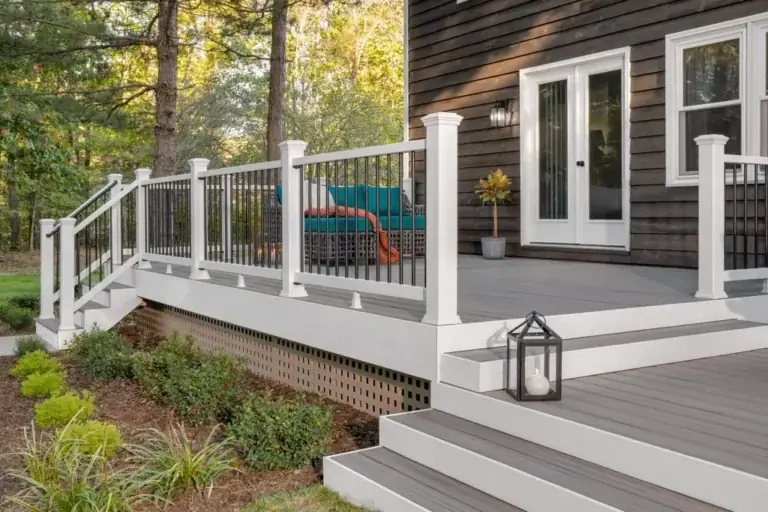
Vertical baluster layouts represent the most common residential configuration. Spacing between individual balusters must comply with strict safety rules to prevent small objects or children from passing through the barrier.
Tension Cable and Glass Infill Integration
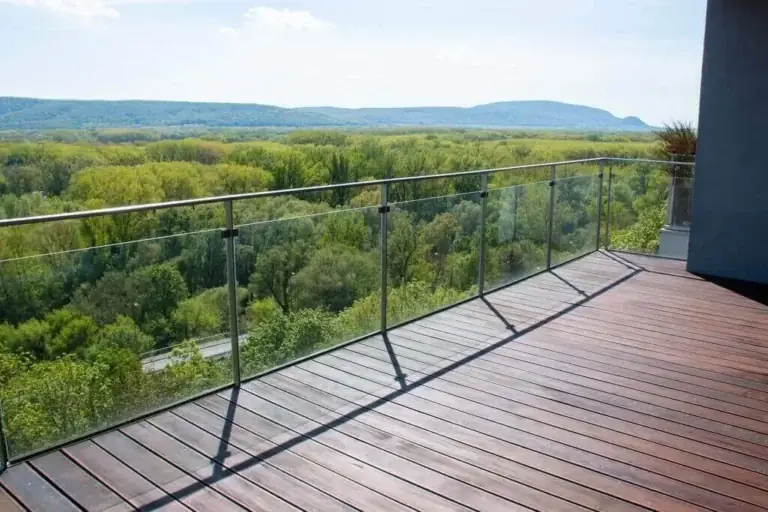
Modern architectural designs often incorporate horizontal stainless steel cables or tempered glass panels. These infill options maximize exterior visibility but place intense tension loads on end posts and corner assemblies.
Structural Performance Comparison Table
| System Type | Primary Material | Wind Resistance | Maintenance Needs | Span Limitations |
| Standard Picket | PVC with Aluminum Insert | Moderate to High | Low (Washing) | Up to 8 feet |
| Cable Infill | PVC Sleeves and Stainless Wire | High | Moderate (Tension checks) | Up to 6 feet |
| Glass Panel | PVC Frame with Safety Glass | Maximum | High (Glass cleaning) | Up to 5 feet |
Post-to-Subframe Connection Logic
Choosing between surface-mount base plates and through-bolted structural posts dictates overall system rigidity. Surface mounts bolted directly to finished decking rely heavily on underlying wood framing quality. Direct-to-joist fascia mounting provides superior lateral stability by tying posts directly into the outer framing lumber.
Real-World Installation Scenarios and Field Constraints Compare Vinyl Deck Railing Kits
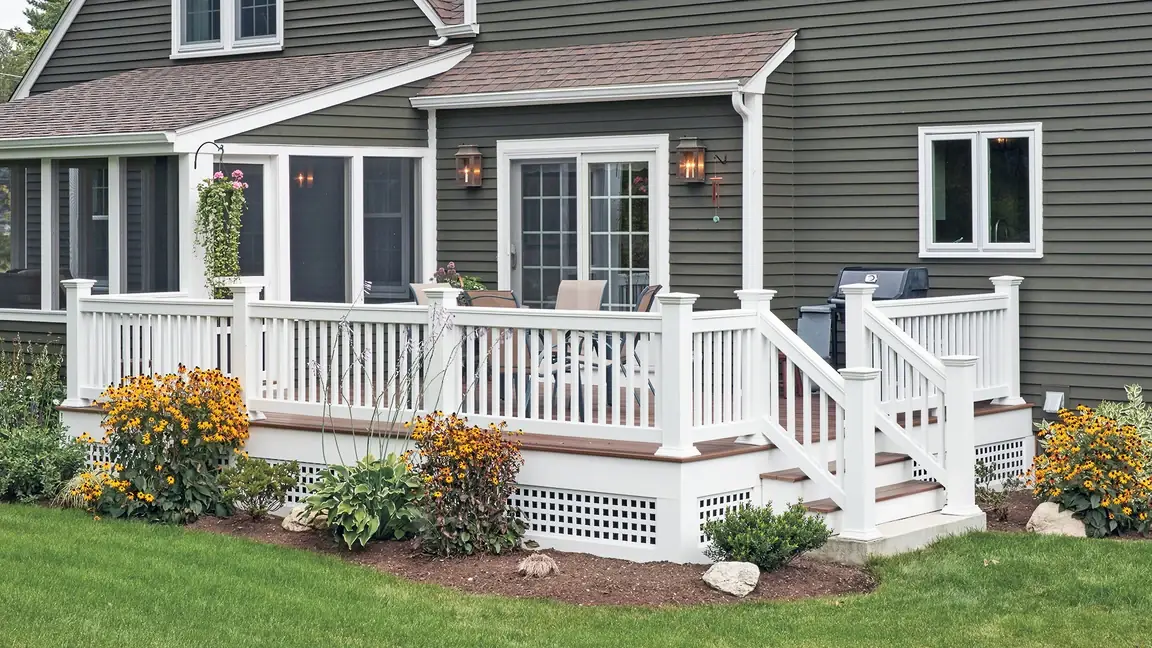
Deploying packaged railing systems requires adapting to uneven framing surfaces, municipal height rules, and specific jobsite obstacles.
Elevated Second-Story Balcony Installations
High-elevation decks experience increased wind shear forces compared to ground-level patios. Installers must verify that rim joists feature adequate structural blocking to support heavy post loads without twisting or splitting under stress.
Multi-Angle Deck Configurations and Stairways
Irregular deck perimeters require specialized adjustable angle brackets. Standard ninety-degree corner connectors fail when applied to acute or obtuse angles, requiring custom site cuts and reinforced internal corner posts.
Coastal Environments and Salt-Air Mitigation
Properties located near marine environments subject metal components to rapid oxidation. Installers must select marine-grade stainless steel fasteners and heavy aluminum reinforcement channels to prevent galvanic corrosion and premature structural failure.
Economic Dynamics and Total Resource Allocation
Evaluating upfront kit purchase prices without considering indirect installation and maintenance expenses often leads to flawed budgeting.
Material Acquisition and Freight Costs
Bulky polymer kits incur substantial shipping fees due to package dimensions and weight. Factoring freight expenses into initial estimates prevents unexpected budget overruns during material procurement.
Labor Efficiency and Specialized Tooling
Packaged systems reduce fabrication time compared to custom wood building. Pre-routed posts and snap-together components lower total labor hours, offsetting higher material acquisition expenses.
Lifecycle Cost Projections
Synthetic railing systems eliminate the recurring costs associated with chemical stripping, sanding, and staining required by traditional timber assemblies. Initial investment costs amortize favorably over extended operational lifespans.
Hardware Infrastructure and Installation Instruments
Proper installation relies on specialized measuring devices, cutting tools, and corrosion-resistant fasteners.
Precision Layout and Leveling Devices
Laser levels and digital angle finders ensure exact post alignment across extended deck spans. Minor vertical deviations multiply over long rail runs, causing visible alignment errors at terminal end posts.
Fastener Selection and Corrosion Control
Using standard carbon steel screws inside exterior polymer assemblies causes rust bleeding and staining. Installers must use certified stainless steel or polymer-coated fasteners to maintain aesthetic integrity and joint strength.
Failure Modes and Structural Vulnerability Taxonomies
Recognizing potential structural failure modes helps prevent catastrophic safety hazards and expensive post-construction repairs.
Ultraviolet Degradation and Polymer Embrittlement
Inferior plastic formulations degrade rapidly under continuous solar exposure. Ultraviolet radiation breaks polymer chains, causing surface chalking, color fading, and severe material embrittlement.
Fastener Back-Out and Joint Loosening
Dynamic wind loads and daily thermal expansion create vibration forces that loosen threaded fasteners over time. Routine structural inspections identify loose brackets before complete joint separation occurs.
Maintenance Protocols and Lifecycle Governance
Maintaining exterior polymer barriers involves routine washing, fastener torque checks, and surface inspections.
Cleaning Schedules and Chemical Limitations
Washing plastic surfaces annually with mild detergent removes environmental pollutants and organic mildew. Abrasive cleaning compounds and harsh solvents scratch exterior cap layers, creating microscopic pores that trap dirt.
Seasonal Structural Review Cycles
Conducting bi-annual structural checks ensures that post mounting bolts remain secure and tension cables maintain proper pull tolerances through seasonal temperature shifts.
Evaluation Metrics and Documentation Standards
Maintaining thorough project records ensures warranty validity and simplifies future structural modifications.
Leading Versus Lagging Performance Indicators
Monitoring fastener tightness and surface finish integrity serves as a leading indicator of long-term durability. Loose posts and cracked brackets represent lagging indicators of structural overload or improper initial installation.
Documentation Requirements
Retaining manufacturer installation guides, warranty registration documents, and structural engineering load certificates provides essential protection for property owners and contractors.
Common Misconceptions and Technical Errors
Addressing widespread industry myths prevents costly design and installation mistakes.
The Myth of Absolute Maintenance Freedom
Believing that synthetic materials require zero attention ignores the reality of environmental grime accumulation and hardware loosening caused by thermal movement.
Structural Substitution Errors
Assuming that hollow plastic sleeves provide sufficient structural strength without internal metal reinforcement creates severe safety hazards on elevated decks.
Conclusion and Editorial Synthesis
Selecting and installing exterior perimeter railing systems demands careful attention to engineering principles, material science, and structural mechanics. Packaged polymer assemblies offer significant advantages in weather resistance and aesthetic consistency when chosen and installed correctly. Prioritizing internal structural reinforcement, proper fastener selection, and rigorous adherence to building codes ensures long-term safety and performance.